Latin America has been a poorly developed market for the operators of legal gambling for a very long time. The betting and gaming that have been going on without any regulations have been flourishing in the region, but the countries there have been taking a very strong position against the legalization of casinos and betting.
Latin American gambling markets’ phasing-in has led to a rise of numerous opportunities for the local and the foreign operators. More than 652 million inhabitants are latent gamblers in Latin America, so the region is a huge potential market for betting and gaming. Now that legal frameworks are getting in place, the demand can be satisfied legally. A study forecasts that the gambling market in Latin America will generate a revenue of $7.5 billion by 2027.
Driving Forces Behind Changing Attitudes
Several key forces are driving Latin American countries to rethink their strict anti-gambling stances:
- Economic Benefits: Countries across the region have realized the economic activity and tax revenue potential of legal gambling markets with casinos like Viva Bet Casino. By regulating activities, they put them on the books and generate funds for public good. It also creates legal jobs in the gambling and hospitality sectors.
- Increasing Tourism Appeal: Many Latin American economies rely heavily on tourism. Legal gambling helps attract more visitors and integrate casino resorts into tourism masterplans.
- Channeling Demand: Rather than ignoring a desire for gambling, governments are realising they can control and benefit from this demand through legal markets. Citizens gambled anyway on illegal sites and venues.
- Adapting to the Digital Era: Underground gambling has moved increasingly online across LatAm. Updated laws recognise this and cover online betting, casino, poker etc.
These powerful drivers have led many key Latin American economies to open up. Let’s explore some major developments across key markets.
Mexico Leads the Charge
Mexico has emerged as a pioneer for legal gambling in Latin America. In 2004, the government updated laws to allow some forms of betting. This was primarily centred around sports betting and horse racing. However, regulations and licensing were complex, limiting early progress.
In 2014, these laws were updated again, led by the Interior Ministry. This opened up Mexico’s sports betting market, leading many major European operators to enter. By 2017, online betting volume exceeded $650 million. Land-based sportsbooks also began opening across major cities in partnership with established casino firms.
Further legislative reforms are expected in coming years to allow more casino games and poker variants, both online and in venues. International brands like William Hill, Bet365 and Codere have established an early foothold. Their experience navigating complex regulations elsewhere should help drive growth as Mexico’s laws evolve.
Brazil Embraces Tourism Potential
Brazil is another key Latin American market demonstrating changing attitudes to gambling. In the late 1990s, Brazil first allowed bingo halls. But progress stalled for over a decade. Attempts to permit major casino resorts foundered.
This changed in 2022 with new federal legislation approving “integrated resorts”. These Las Vegas-style complexes combine casinos with hotels, retail, dining and entertainment. Government recognition of Brazil’s tourism potential was the catalyst for this change.
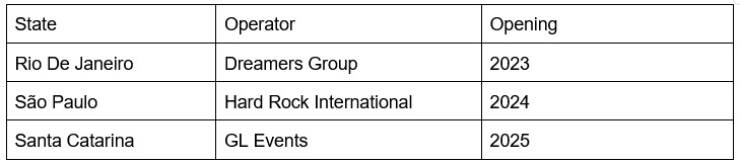
The economic impact is already being felt before resorts open. Major casino brands like Hard Rock are investing huge sums and creating thousands of new jobs. This will provide significant funds and employment for regional economies.
Further states are expected to host resorts moving forward. Land-based betting shops and online sports betting regulation is also anticipated following federal approval of casinos.
Colombia Formalizes Gambling Sector
In 2016, Colombia embarked on an ambitious project to formalize gambling throughout the country. Prior to this, gambling existed in a legal grey area – popular but not specifically regulated at a national level.
The Estatuto de Juegos de Suerte y Azar laid out a new regulatory regime covering casinos, bingos, sports betting and online gambling. This created Colombia’s first regulated framework for remote gambling including slots, table games, poker and more.
Regulators also sought to increase protections for vulnerable groups and prevent problem gambling. Strict marketing, age verification and deposit limit checks were introduced. This allowed licensed operators to cater to demand legally while minimizing risks for certain customers.
The market has grown rapidly under this regulated regime. Over a dozen operators now offer sports betting, with more set to offer other online games soon. Government tax revenue has already topped $200 million as citizens embrace legal alternatives.
Looking Ahead More Open Markets
The combination of these powerful drivers across Mexico, Brazil, Colombia and elsewhere demonstrate Latin America’s changing relationship with gambling. No longer taboo, regulated markets are creating jobs, attracting tourism and generating public funds.
As early movers demonstrate success, expect more regional governments to follow. Countries like Argentina, Peru and Chile continue early legislative talks to allow casinos, betting or online gambling. Others will surely follow.
For operators, many opportunities have already emerged across Latin America. With the right strategies and partnerships, regulated growth could one day match Europe or parts of Asia. Billions in investment may flow in from major international gambling firms over the next decade.
The opening up of Latin America to legal gambling marks a new era for regional economies and consumers. Expect to see continued momentum.