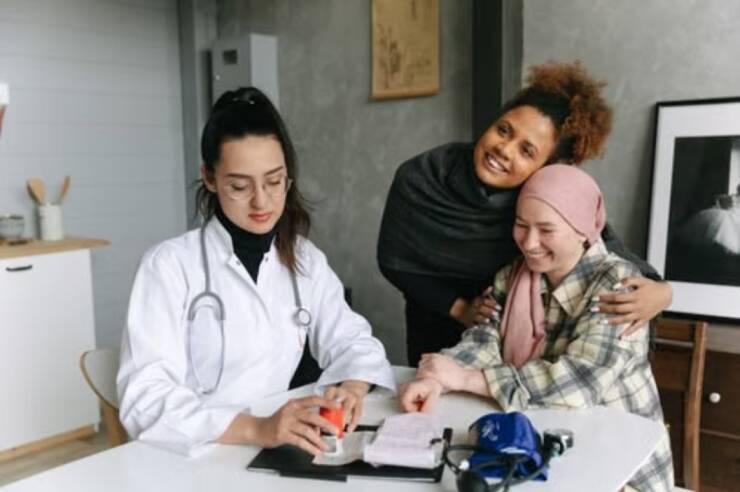
Cancer can alter relationships, change family dynamics, disrupt ordinary routine, and compel people to reevaluate their priorities in life. While medical studies help to understand cancer as a medical condition, movies explore the personal issues behind the diagnosis. Through the years, filmmakers have been using stories to illustrate the cancer experience.
Some of them focus on the emotional difficulties that patients face, while other stories deal with family relations, medical choices, and the importance of support. These films help the audience to evaluate the disease from different angles and start many important conversations on the subject. Here are five movies that significantly changed the attitudes of people toward the disease.
The Bucket List (2007)
Two men from different backgrounds are brought together by their treatment of advanced lung cancer in The Bucket List. Morgan Freeman and Jack Nicholson star in this movie, presenting the unbelievable positivity and resilience of people facing challenging circumstances.
After learning about their diagnoses, they decide to leave the hospital and accomplish everything that has been on their to-do list. Their adventure teaches them a valuable lesson about friendship, family, forgiveness, and the actual meaning of life. The movie sends a powerful message about remaining true to oneself, even when facing a serious illness.
While medical studies help individuals understand cancer as a medical condition, movies explore the personal issue behind the diagnosis. For individuals and families dealing with the challenges of lung cancer, particularly cases potentially linked to negligence or exposure to hazardous chemicals, understanding their legal rights and available support can be important. Resources such as https://www.lungcancergroup.com/legal/lung-cancer-law-firm/ can help patients and their loved ones learn about potential legal options.
50/50 (2011)
Instead of telling the usual sad story with respect to the topic of cancer, 50/50 combines some humor with the harsh truth. The film follows Adam, a young radio reporter who finds out that he has a rare kind of cancer, affecting his spine. Its honest and understated approach makes the story particularly engaging.
At just 27 years old, Adam struggles to understand how someone of his age can develop cancer. As he begins treatment, he must navigate difficult conversations with his family, friends and doctors about his disease. What is really good about this movie is that it shows that there is nothing strange in using humor in cases connected with cancer, as long as it brings some relief.
The film also demonstrates how important friendship and support can be in difficult situations. Adam’s relationship with his best friend Kyle illustrates how valuable it is to have people around, even if they do not know how to help.
Wit (2001)
The focus of the film is on the life of Vivian Bearing, a university lecturer diagnosed with advanced ovarian cancer. As she undergoes painful treatments, she starts reflecting about her life and her experiences with the medical profession.
One of the central themes is the relationship established between patients and physicians. Vivian discovers that healthcare can sometimes become so focused on procedures and tests that it overlooks the person being treated.
The story forces audiences to reconsider their views on treatment and is a reminder that the patient needs something more than just medication; it is important for them to feel cared for, respected, and understood. The film reinforces the importance of healthcare professionals recognizing the person behind the diagnosis.
My Sister’s Keeper (2009)
How does a family member’s cancer diagnosis affect the lives of those closest to them? This is the complicated question explored in My Sister’s Keeper. The film centers on a family whose daughter, Kate, has leukemia. Kate’s mother decides to have another child through in vitro fertilization (IVF), hoping that the baby, Anna, will be a suitable donor for Kate’s treatment.
As she grows older, Anna challenges the medical procedures her parents expect her to undergo, questioning her role in her sister’s. The film shows how families can make emotionally driven decisions when trying to save the life of a loved one. Despite its exaggerated interpretations of medical and moral issues, the movie makes people think about consent and the responsibility of family members to the sick.
Terms of Endearment (1983)
The movie Terms of Endearment represents an emotional family drama that concentrates on the difficult relations a mother has with her daughter. The situation becomes more complicated when the daughter, Emma, is diagnosed with breast cancer.
Throughout Emas’s illness, the film illustrates the dynamics of the relationships between Emma and her mother Aurora as well as the rest of the family members. The movie shows the effort loved ones make to strike a balance between their feelings and the obligation to support a person suffering from a terminal disease.
Endnote
The best films about cancer go beyond heart-breaking storylines. Instead, they encourage viewers to not only think of the diagnosis, but also of the characters, relationships, and experiences connected to that particular illness.
Together, these movies remind us that understanding cancer involves more than knowing its medical characteristics. It is also important to listen to the patients, support the caretakers, recognize scientific developments, and appreciate the human experience behind the illness.