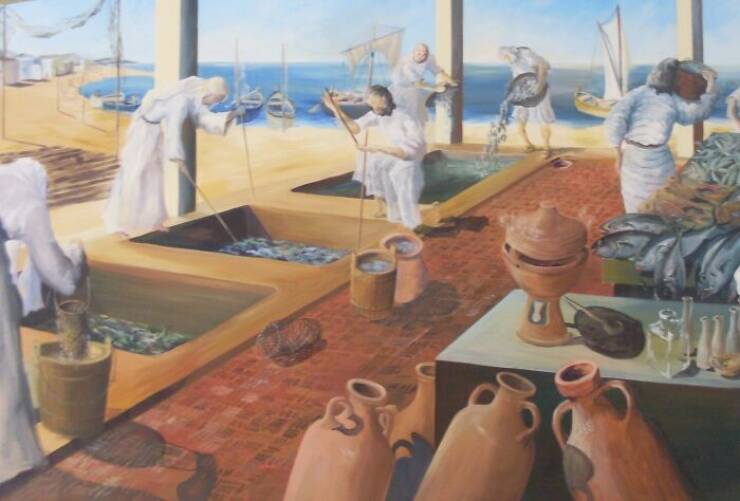
"The roman "ketchup" Garum was used in almost everything. Very much like tomato ketchup nowadays. Only... It was made of rotten fish guts..."
"Romans loved doves that were in the streets and they were associated with Venus. Unlike now when we dislike their decendants the pidgeons in the cities."
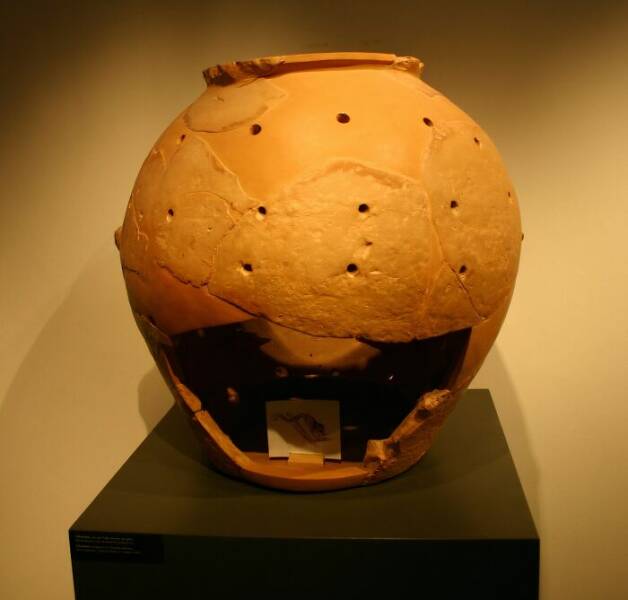
"Romans had special terracotta containers called Glirarium to raise dormice so they could eat them."
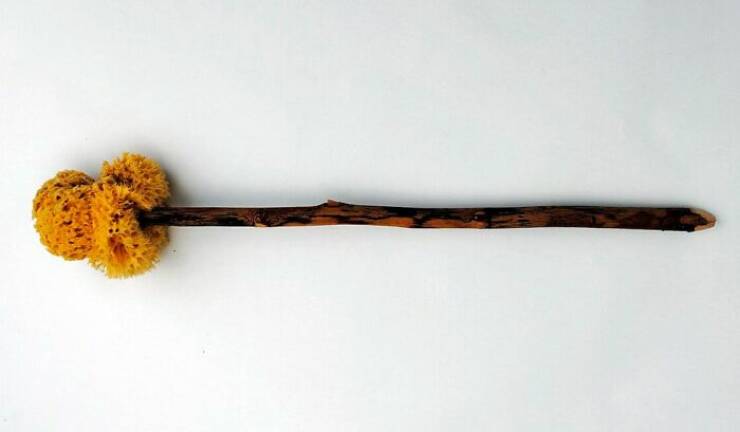
"Recent research suggests that the xylospongium/tersorium was used as a toilet scrub. "
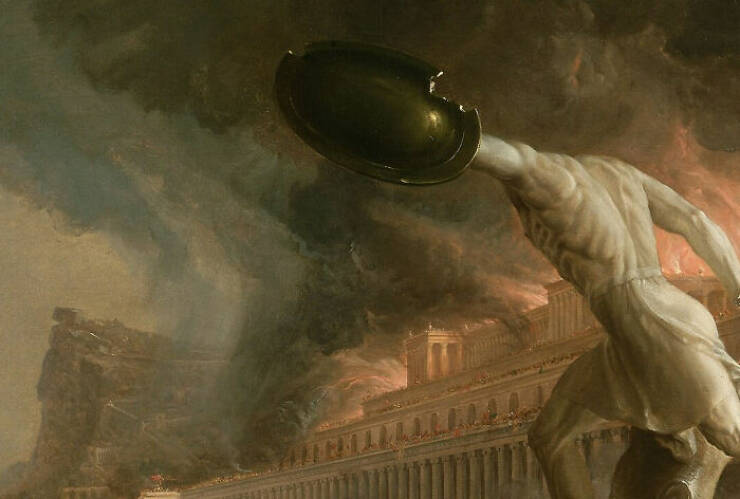
"The Middle Ages started with the fall of the Roman Empire and ended at the fall of the Roman Empire."
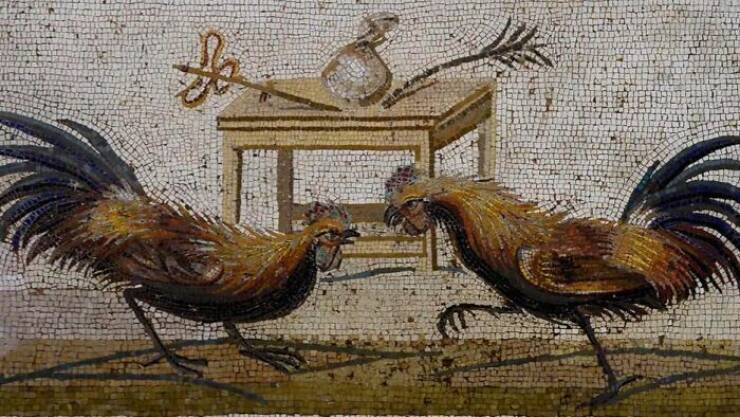
"Romans used to bring sacred chickens to battle with them and would “consult” the chickens before battle to see if they should proceed."
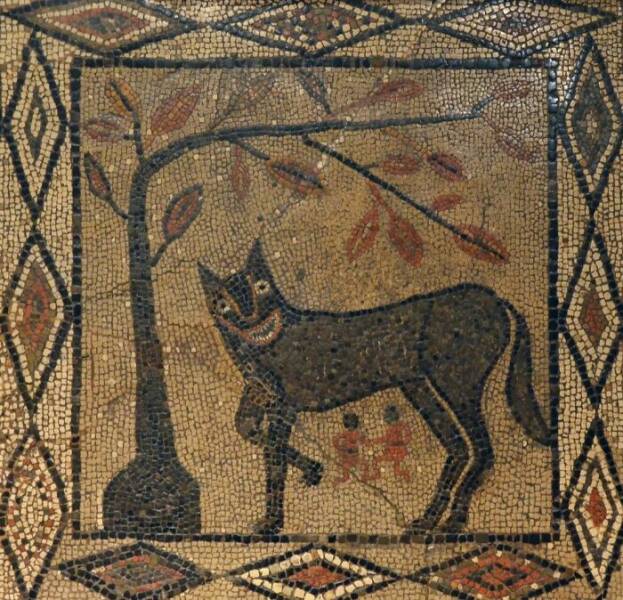
"The founder of Rome, Romulus, and his brother, Remus, were both supposedly raised by a wolf mother. This, of course, after being born by a human mother and the god of war, Mars. That’s the story we have at least."
"After 286 AD, Rome was no longer the capital of the empire. Instead, Mediolanum (todays Milan) became capital for the WRE. It was moved again in 402 AD to Ravenna."
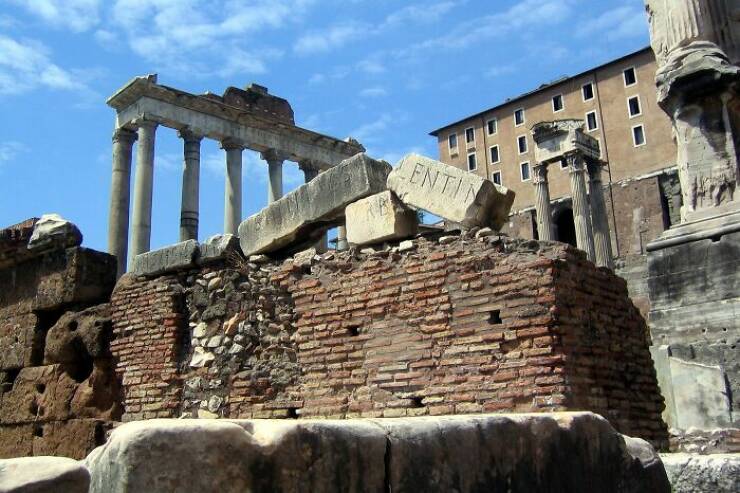
"The Rostra, the platform in Rome where people would give speeches, has the Rams of enemy Warships from the Latin Wars built into it. (Rostrum = a warships ram)"
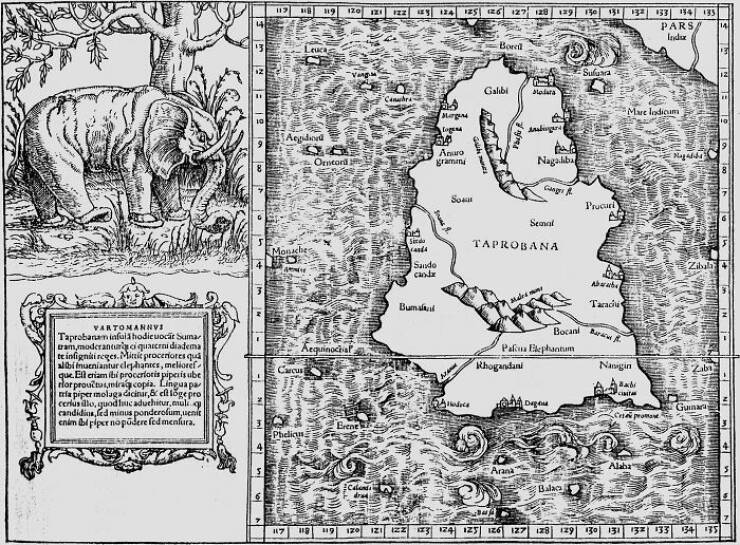
"Rome had contact and trade with Sri Lanka and called it Taprobane."
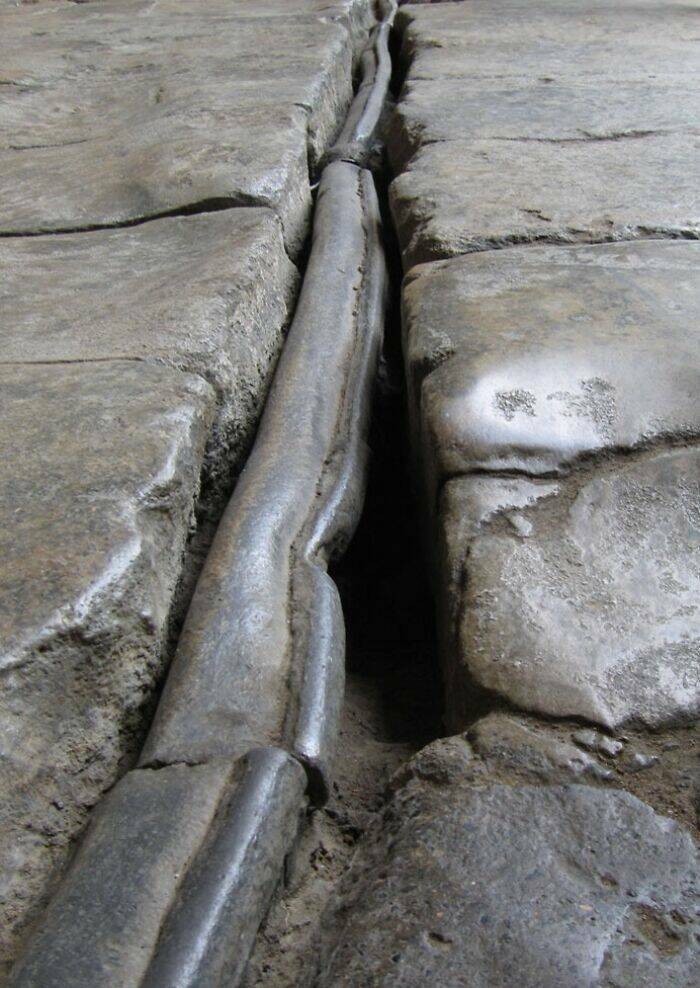
"All the baths, at least in Bath, England, were lined in lead, so all the Romans who thought they were having a nice relaxing dip in the hot tub were exposing themselves to lead poisoning."
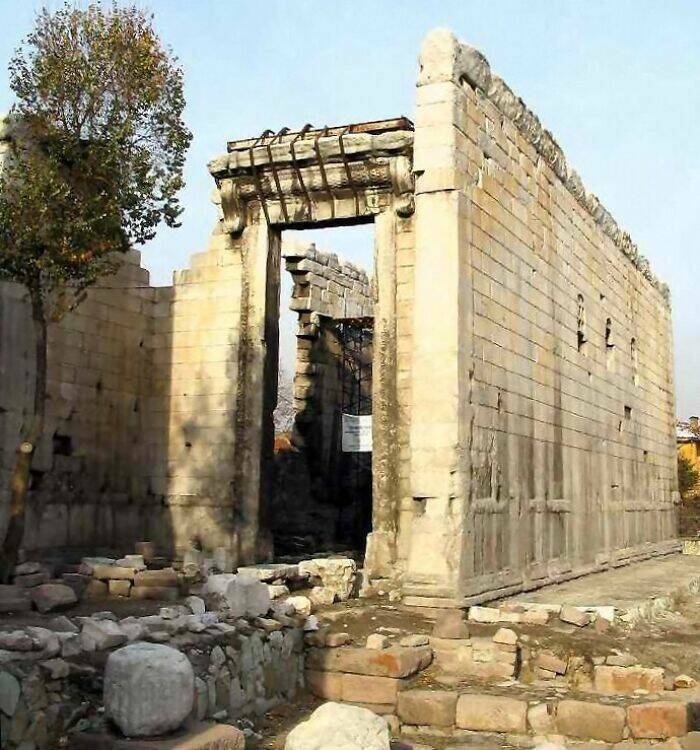
"Julius Caesar invented newspapers, and Augustus published his autobiography as a gigantic wall called Monumentum Ancyranum."
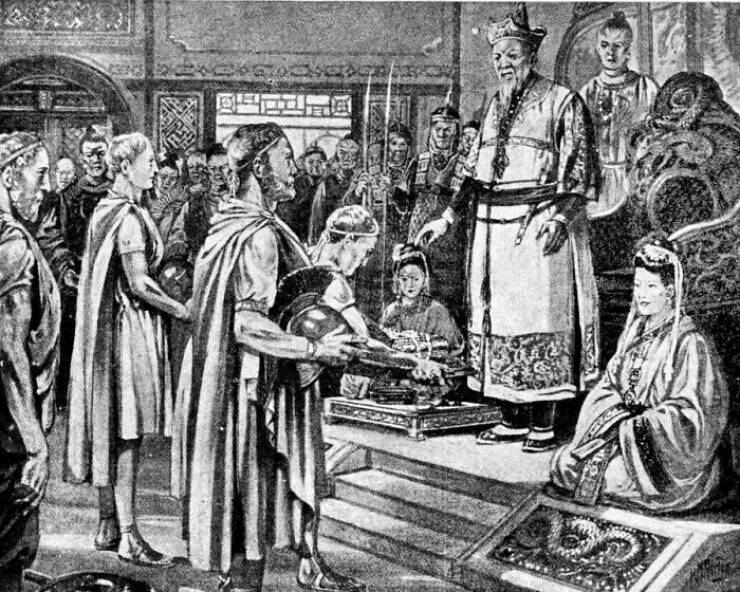
"Romans were in direct contact with China - not just through trade. Embassies are attested by several sources. A roman embassy reached China in 166 AD. Even the presence of a roman legion is reported."
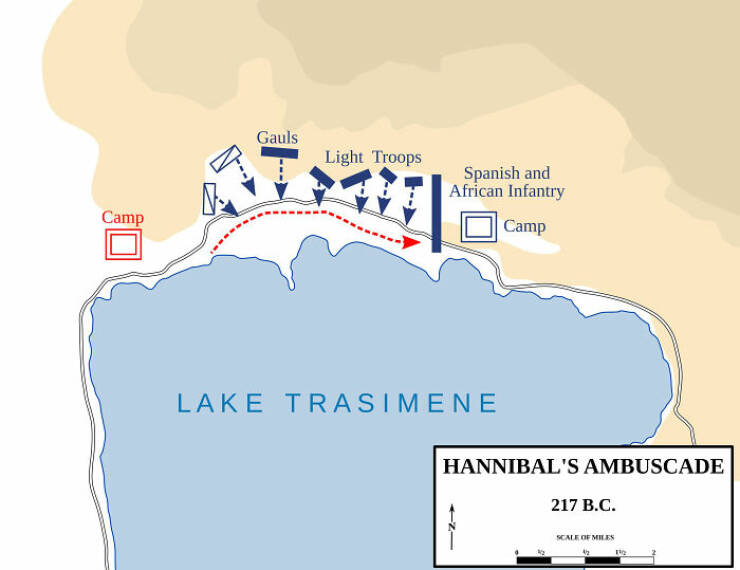
"The battle of lake Trasimene in 217BC is still to this day the largest military ambush in human history. Military historian Basil Liddell Hart called the Battle of Trasimene “the greatest ambush in history.” The Roman losses were at least 15,000."
"Christianity was officially recognized by the empire in 380 AD by Theodosius through the Edict of Thessalonica."