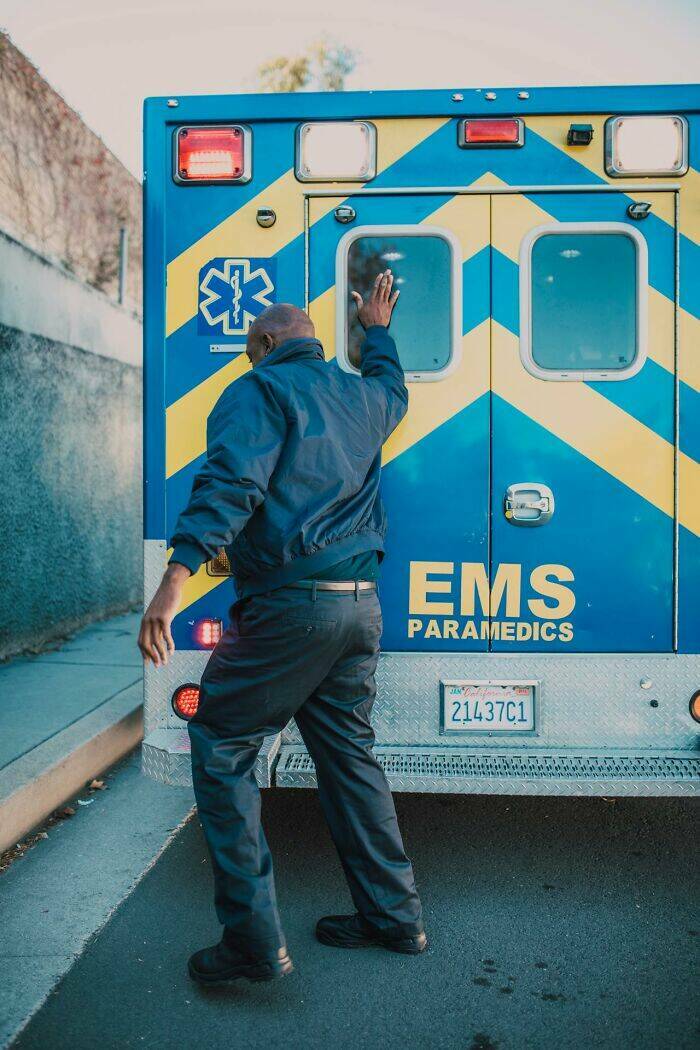
"Not survival in the usual sense, but those whole “Don’t put that you’re an organ donor on your license because then if you get in a wreck and die, the paramedics won’t try to bring you back!”
I’ve been a paramedic for 10 years, and never once have I looked for someone’s license after a traumatic cardiac arrest to check their organ donor status. If a cardiac arrest victim seems viable, they’re going to get worked on regardless. The reality though is that very few people come back from cardiac arrest that occurred due to trauma, because the most common cause is blood loss and that’s not something paramedics can fix in the field (in most areas- some very progressive systems DO carry whole blood on the ambulance.) And if someone is dead on arrival and unworkable, we don’t haul them to the hospital to get their organs harvested. The body stays on scene until coroners get there and do their thing, which could take hours. Organs of people who die outside of hospitals generally have a very limited window in which they’re still considered viable, so it rarely even enters the equation unless they’re transported to the hospital.
Rant over, be an organ donor."




I hope the assholes who downvoted you get mugged, sodomized and shot by some Monkey-Poxed Haitian someday. They probably look like my avatar.
Yes but warms up to usable temps in your hand or mouth. (Alaskans are actually trained to always have a lighter and a knife).
My Jr High did survival training on a mini island in Alaska, I got "Best solo survivalist".
1. Air
2. Water
3. Shelter
4. Warmth/fire
5. Food
6. (I forget) maybe communication or tools?
7. Entertainment (very important to survival alone or with others)
Hard to tell if some of these are meant as Do's or Don'ts, but I can say, don't do deadly dangerous things for low value items. I've known a trained Coast Gaurd who drowned while trying to retrieve a fishing hook stuck on a bouy, while stupidly fishing off a beach in waders during a rainstorm.
I hope the assholes who downvoted you get mugged, sodomized and shot by some Monkey-Poxed Haitian someday. They probably look like my avatar.
Yes but warms up to usable temps in your hand or mouth. (Alaskans are actually trained to always have a lighter and a knife).
My Jr High did survival training on a mini island in Alaska, I got "Best solo survivalist".
1. Air
2. Water
3. Shelter
4. Warmth/fire
5. Food
6. (I forget) maybe communication or tools?
7. Entertainment (very important to survival alone or with others)
Hard to tell if some of these are meant as Do's or Don'ts, but I can say, don't do deadly dangerous things for low value items. I've known a trained Coast Gaurd who drowned while trying to retrieve a fishing hook stuck on a bouy, while stupidly fishing off a beach in waders during a rainstorm.