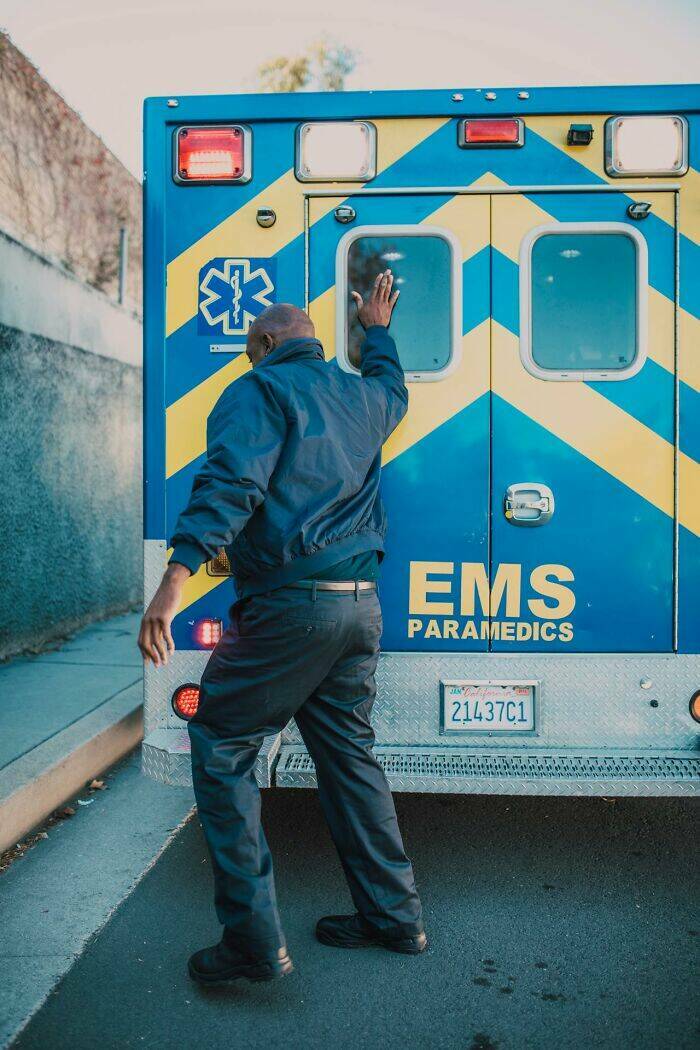
"Not survival in the usual sense, but those whole “Don’t put that you’re an organ donor on your license because then if you get in a wreck and die, the paramedics won’t try to bring you back!”
I’ve been a paramedic for 10 years, and never once have I looked for someone’s license after a traumatic cardiac arrest to check their organ donor status. If a cardiac arrest victim seems viable, they’re going to get worked on regardless. The reality though is that very few people come back from cardiac arrest that occurred due to trauma, because the most common cause is blood loss and that’s not something paramedics can fix in the field (in most areas- some very progressive systems DO carry whole blood on the ambulance.) And if someone is dead on arrival and unworkable, we don’t haul them to the hospital to get their organs harvested. The body stays on scene until coroners get there and do their thing, which could take hours. Organs of people who die outside of hospitals generally have a very limited window in which they’re still considered viable, so it rarely even enters the equation unless they’re transported to the hospital.
Rant over, be an organ donor."
"“Find food first” is a common one. But nope. You need water and shelter way before snacks."
"Not survival tips for the wilderness, but survival in urban surroundings - basically any tips on how to handle a street fight - any of the vigilante rubbish you see on TV.
I have a close friend who was a UK Royal Marine - he was, in effect, a violence professional for a decade or so. He told me that the vast majority of his training regards hand to hand combat involved the following:
- Assume your opponent is armed even if you can’t see a weapon
- Run away as fast as you can
- If they are close enough to touch you, push them as hard as you can - hopefully they’ll fall over - then run as fast as you can in the opposite direction.
That was it - just get away from them as fast as you can. Don’t try and engage in a fight with someone you don’t know because you’ll probably get k****d."
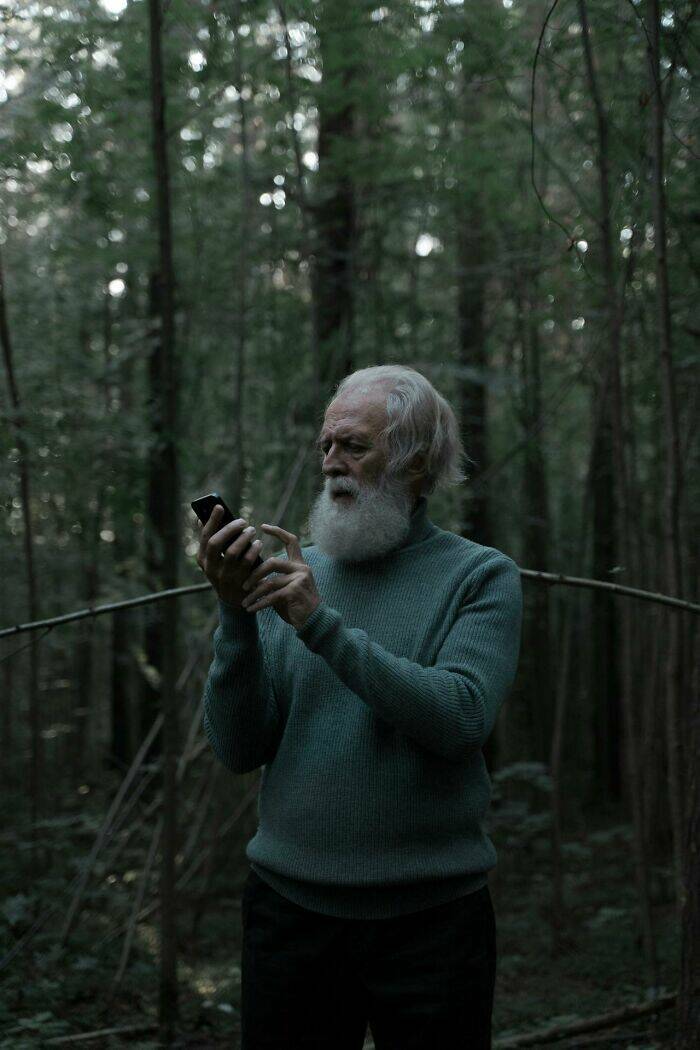
"The idea of changing your cellphone voicemail message if you are lost in the woods.
If you have enough signal to change your voicemail then you have enough signal to call for help."
"Its not exactly a survival tip, but everybody imagines building traps, hunting, building a shelter etc. But the reality for most survival situations is to just focus on water and sitting around until you get found. Nearly every thing you do will burn the small amount of energy/water you have and you likely will not have the skills or be in an abundant enough area to replace it. So its best for most people to just sit in the shade and wait."
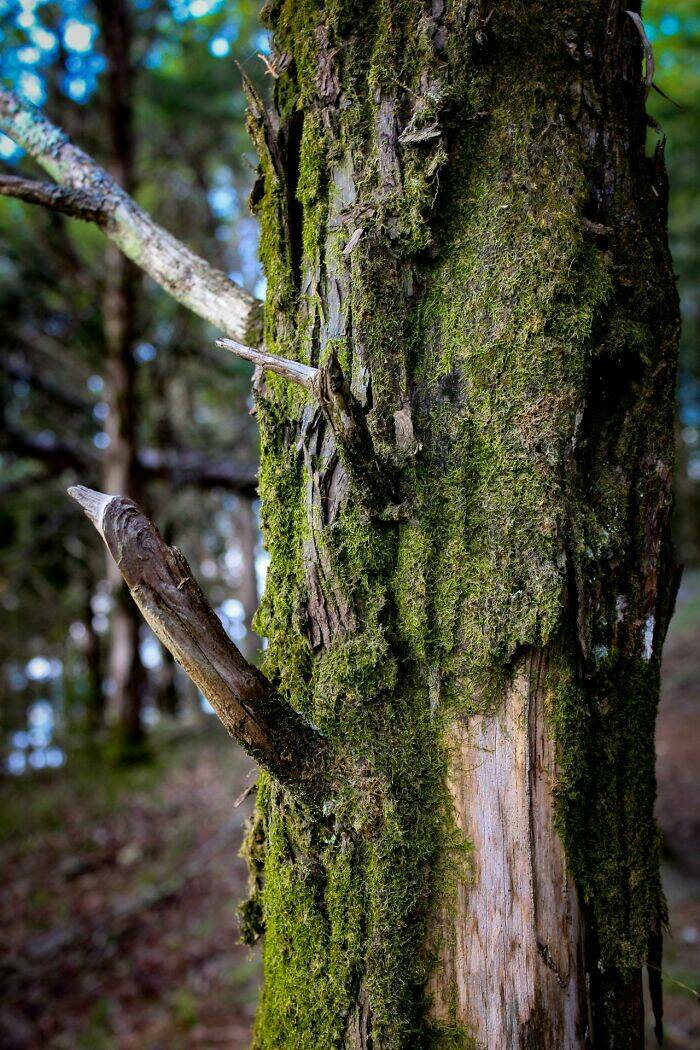
"A lot of people think that moss only grows on the north side of trees. It'll actually grow wherever it wants to."
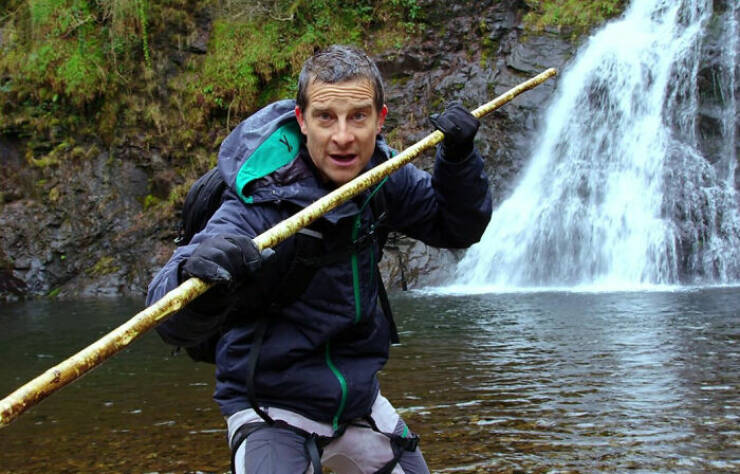
"Basically anything Bear Grylls said or did on his show."
"Do not ever drink your own pee to survive. It'll make you more dehydrated while also likely f*****g up your kidneys. No benefit to be had. Just don't do it."
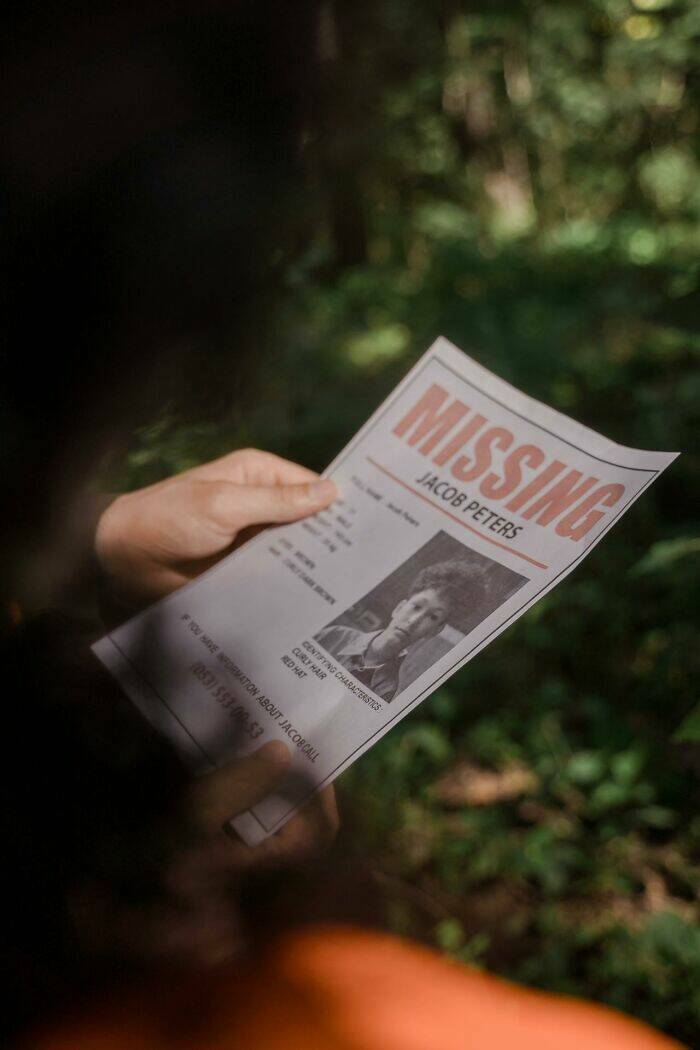
"Not your typical survival advice but an important falsehood: You have to wait 24 hours to report someone missing. Absolutely untrue, and the longer the wait the worse the outcome for the person missing. If you believe someone is missing report it immediately with all information you have. Eat snow for water. Waste of energy. There isn't a lot of water in snow by volume (unless packed) but moreover your body will expend energy in the form of heat to melt the snow. Build a fire, find something you can use as a basin, melt the snow then drink."
"If you are extremely cold or near hypothermic, do not drink alcohol to warm up. It may make you feel warmer because it pulls your blood to your skin, but that means it's pulling blood away from your vital organs and, therefore, lowering your core temperature."
"This is less a bad tip and more of a glaring omission, but I haven't seen a lot of wilderness survival guides say the obvious first step:
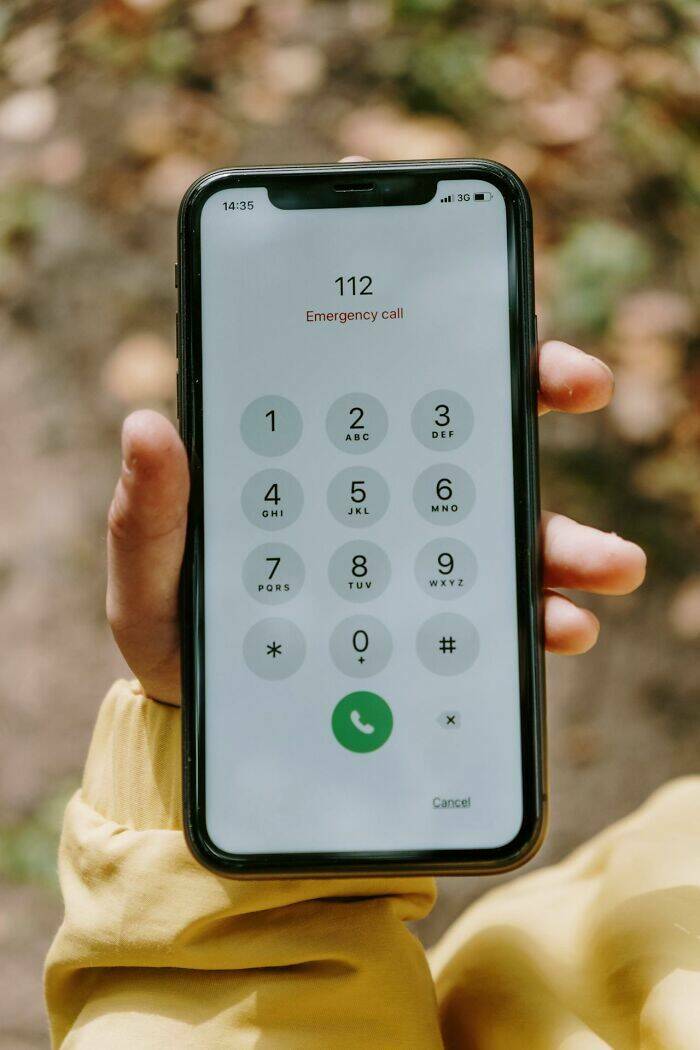
Call 911.
"But it's *wilderness* survival! The phone won't work!" People have internalized that idea, especially millennials and older. Coverage is *surprisingly* common in the backwoods these days.
That's doubly true when you're calling 911. Phones get some extra mojo when they're making emergency calls, they can use other networks they usually can't. Even if it looks like you don't have reception, a 911 call might go through.
Point being, when you have that "oh s**t, I'm *lost* lost." moment, give the cell phone a shot before you start dragging branches together for a lean-to. It's not a guarantee but it might save you a whole lot of pain."
"That if you see a bird or animal eating a berry it mean’s it’s safe for you to eat, this can get you k****d."
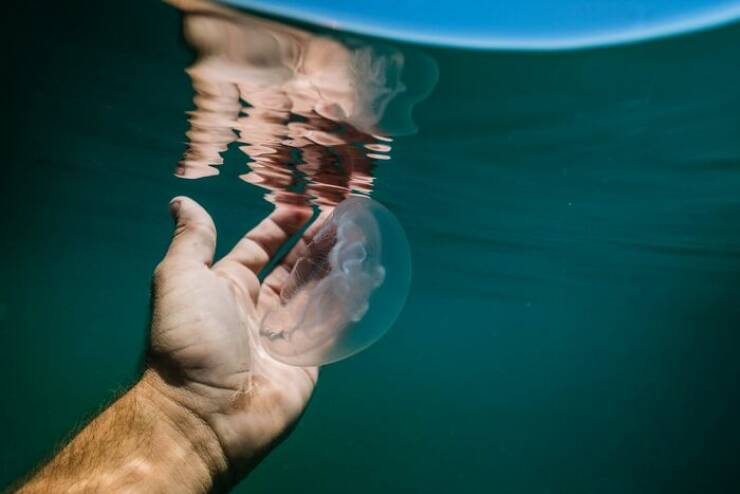
"Don't pee on jellyfish stings. It'll still sting but now you smell like p**s as well."
"When hiking and it’s hot out, DO NOT, I repeat, DO NOT, attempt to ration your water. Drink whenever your lips or your eyes get dry or you’re generally thirsty. “Rationing” like you’d see in old movies or something hastens heat exhaustion. ."
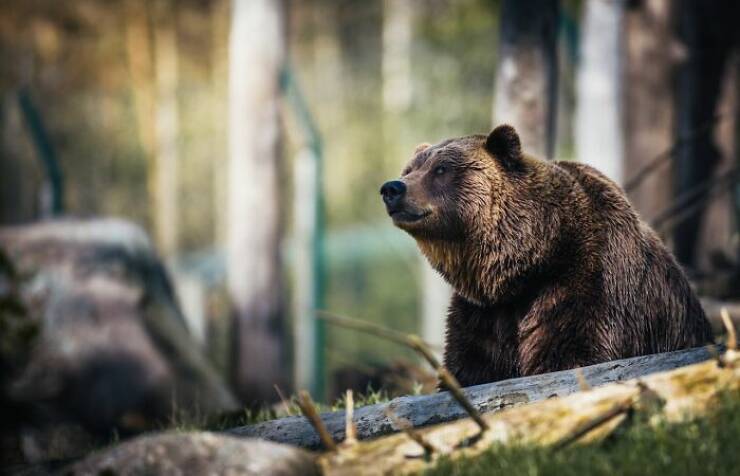
""If it's black fight back, if it's brown lie down" with bears. How you act depends on how the bear is acting, not what species it is."
""If you're alone, that is better than being with another person, since it's another mouth to feed."
The buddy system is always more rewarding than the costs, especially since they could go for help or do other things. Twice the output, twice the chance of survival, since you're not likely to get any food while you're out there if you're a 21st century layman like me who doesn't have a gun with them on every outing."
"First day in prison, punching the biggest and toughest looking prisoner in the face will not make your stay easier."
"Having s*x to fend off freezing to death is a terrible idea. It will make you wet (sweat/s**y fluids), and use up energy you need to conserve.
It’s not survival advice; it’s a plot device. "
"A lot of people think that when you go camping where bears are you should hang your food supplies up in a tree to keep bears from being able to get them.
This is wrong, because your body is bear food and it's in your tent on the ground. What you really need to do is put your food in your car, put your body in your car, and drive home to sleep where bears are not."
"Putting a wooden spoon or your fingers in the mouth of someone having a seizure. Either you’re going to have a person seizing AND choking or a person seizing and choking on your fingers while you’re in agony. Just call 911 and turn them into their side."
"For snakes, “red touches black, you’re okay jack; red touches yellow, you’re a dead fellow”. While this is true for some specific species in North America, it’s not true for many venomous snakes with similar coloring! So just… don’t grab strange snakes, please."
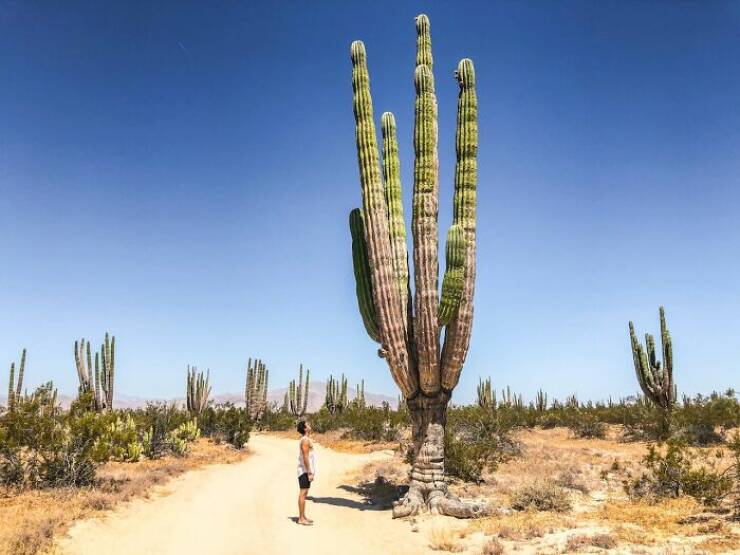
"Drinking cactus water.
It will give you diarrhea which will further dehydrate you."
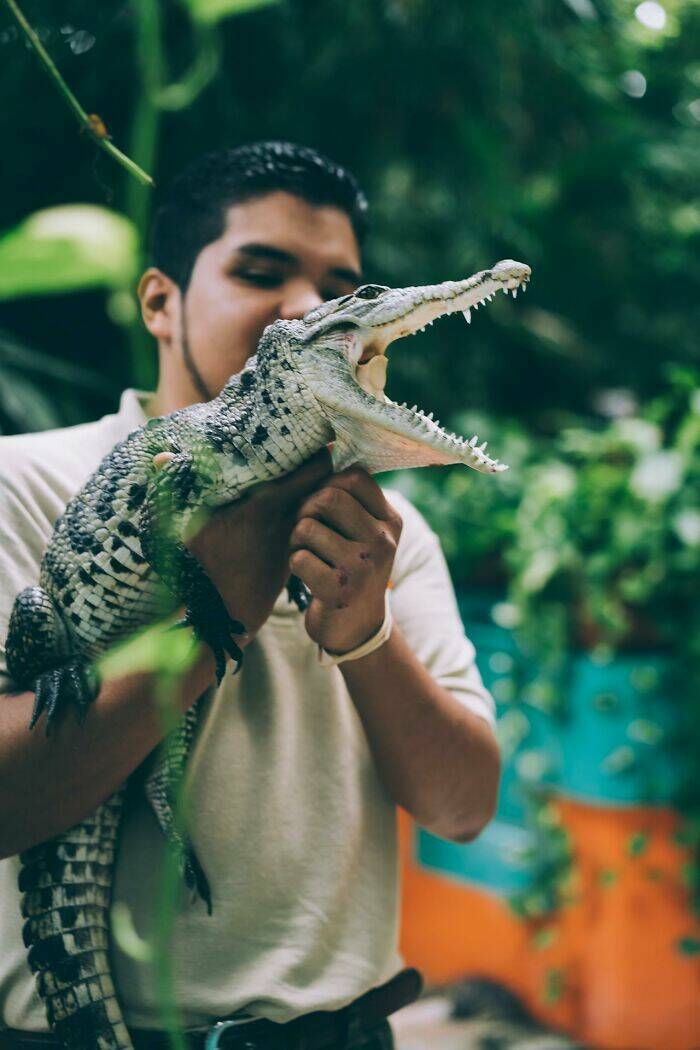
"Running in zigzags from an alligator.
While they are surprisingly fast sprinters, running in zigzags is more likely to get you eaten than just running away in a straight line.
That being said, gators rarely try to chase a human other than to defend its nest."
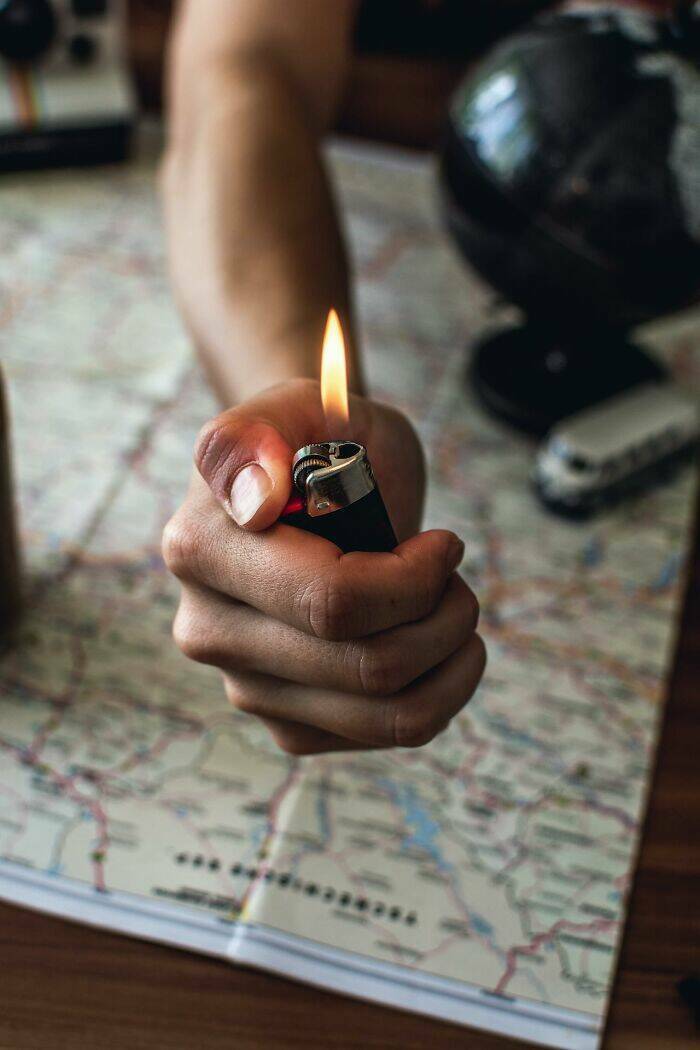
"Take an extra bic lighter. You don’t need a flint & steel or a bow drill."






I hope the assholes who downvoted you get mugged, sodomized and shot by some Monkey-Poxed Haitian someday. They probably look like my avatar.
Yes but warms up to usable temps in your hand or mouth. (Alaskans are actually trained to always have a lighter and a knife).
My Jr High did survival training on a mini island in Alaska, I got "Best solo survivalist".
1. Air
2. Water
3. Shelter
4. Warmth/fire
5. Food
6. (I forget) maybe communication or tools?
7. Entertainment (very important to survival alone or with others)
Hard to tell if some of these are meant as Do's or Don'ts, but I can say, don't do deadly dangerous things for low value items. I've known a trained Coast Gaurd who drowned while trying to retrieve a fishing hook stuck on a bouy, while stupidly fishing off a beach in waders during a rainstorm.