1
Slot machines generate the largest profit of all casino games, yet gossip about their functionality continues to be widely broadcast across the globe. Despite advancements in technology and openness in the rules, there is still a fairly large number of myths among the players. As a matter of fact, understanding the actual working methods of these favorite gambling machines can make your casino trip not only more enjoyable, but also a great help in your betting strategy.
Common Slot Machine Myths That Mislead Players
Locals often see other gamblers at SkyCrown Online changing their machines, trying to find ones that look like due to hit the jackpot. The idea is deeply rooted in a basic misunderstanding of how random numbers are generated.
Each spin on a current slot is a separate event. The RNG works non-stop, producing several thousands of number sequences per second, even if no one uses the machine. By pushing the spin button, you are just updating the sequence of numbers for which the result is already determined.
• Progressive Jackpot Timing Misconceptions – Many players believe progressive jackpots become more likely to hit as they grow larger. This myth leads to crowded progressive sections during peak jackpot periods. In reality, progressive slots maintain consistent odds regardless of jackpot size. A $1 million progressive carries identical winning probability to a $100,000 progressive on the same machine type.
• Location Strategy Myth – Casino folklore suggests that machines near entrances, restaurants, or high-traffic areas offer better odds to attract players. This theory assumes casinos strategically place loose machines in visible locations. However, modern casinos utilize sophisticated analytics to optimize floor layouts based on player behavior patterns, not payout manipulation.
Factual Information About Slot Machine Operations
Modern slot machines employ certified RNG systems that undergo rigorous testing by independent laboratories. These systems generate truly random outcomes, eliminating any predictable patterns or cycles. Gaming commissions require regular RNG audits to maintain licensing compliance.
The RNG operates continuously, producing number sequences at rates exceeding 1,000 per second. This constant generation ensures that timing your spin attempts cannot influence outcomes. Whether you wait five minutes or press the button immediately, your chances remain mathematically identical.
Return to Player (RTP) Percentages
Slot machines display their theoretical Return to Player percentages, typically ranging from 85% to 98%. These percentages represent long-term mathematical expectations across millions of spins, not short-term guarantees for individual sessions.
2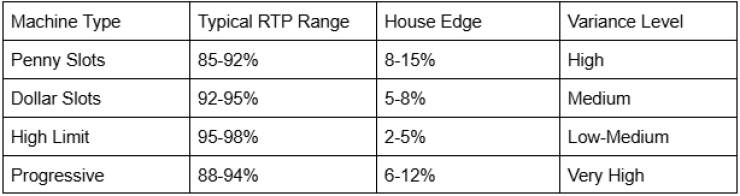
Payout Frequency vs. Payout Size
Slot machines balance payout frequency against payout size through mathematical modeling. High-frequency machines offer more regular small wins, while low-frequency slots provide larger but less frequent payouts. This relationship directly correlates with volatility ratings.
Players often misinterpret frequent small wins as indicators of machine looseness. However, these frequent payouts typically return less than the original wager, creating an illusion of winning while gradually depleting bankrolls.
Debunking Strategy Myths with Statistical Evidence
Some players attempt to apply betting progression systems like Martingale to slot play, doubling bets after losses. This strategy fails because slot outcomes remain independent and betting limits prevent infinite progression. Additionally, the house edge applies to every spin regardless of bet size.
Statistical analysis demonstrates that no betting system can overcome the mathematical house advantage built into slot machines. Progressive betting strategies may extend playing time but cannot improve long-term expected returns.
Maximum Bet Requirements for Jackpots
While some older machines required maximum bets for jackpot eligibility, modern slots typically scale jackpots proportionally to bet size. Players can qualify for top prizes regardless of bet amount, though the prize value adjusts accordingly.
This proportional system ensures fair play across all betting levels while maintaining the mathematical integrity of the game. Maximum bet myths persist from earlier mechanical machines that operated under different rules.