Managing a classroom and keeping students engaged is no small task. One challenge teachers consistently face is how to provide timely, meaningful feedback without disrupting the flow of a lesson. That’s where sound buttons for giving instant feedback in class can make a real difference. These simple tools allow educators to respond to student actions immediately, with sounds that guide, reward, or redirect, without needing to pause instruction or raise their voice.
Instant feedback is essential in helping students know whether they’re on track. Verbal corrections are often delayed or lost in the moment. But a quick sound, whether it’s a ding for a correct answer or a gentle tone to encourage rethinking, creates immediate reinforcement that’s hard to miss and easy to understand.
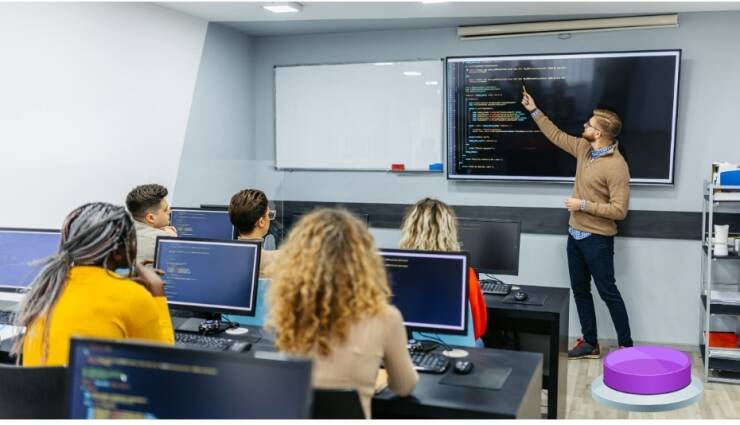
Why Immediate Feedback Matters in Learning
Feedback is most effective when it's given in the moment. It helps students adjust their behavior or understanding before misconceptions take root. Traditional methods like written notes or delayed responses miss that window. Sound buttons, however, create auditory cues that align directly with what just happened, reinforcing the correct action or gently nudging students to rethink.
This level of real-time communication improves clarity, shortens correction time, and helps maintain a smooth classroom rhythm. Over time, students begin to recognize patterns in the sounds and adjust accordingly, without needing constant verbal reminders.
How Sound Buttons Fit Naturally Into Classroom Routines
Sound buttons are easy to integrate into everyday teaching. They can sit on a teacher’s desk, be carried in hand, or even be mounted near whiteboards for quick access. No complicated setup is needed, which means teachers can respond to student performance without breaking their focus.
With pre-recorded tones or custom uploads, sound buttons can be customized to a variety of tasks, like signaling completion, redirecting focus, or acknowledging effort. Since they’re non-verbal, they also minimize classroom noise and reduce pressure on students who might feel self-conscious about public praise or correction.
How Teachers Can Customize Sounds to Match Class Goals
Every classroom is different, and the way feedback is given should reflect that. With many modern sound buttons allowing uploads or multiple tones, teachers can assign specific sounds to particular tasks or behaviors.
For example, a short tone might signal “check your work,” while a higher-pitched note means “excellent job.” This level of customization creates consistency in communication. Tools like soundbuttonslab.com which got featured in adobe and playstore offer a wide range of sound buttons and effects, giving teachers access to ready-made audio cues that can support instant feedback in class without needing to record or upload custom sounds.
How Sound Buttons Encourage Independent Learning
One of the hidden benefits of sound-based feedback is that it encourages students to take initiative. Once they begin recognizing what different sounds mean, they adjust their behavior without needing direction. This extends confidence and creates more independent thinkers who self-monitor and correct before being prompted.
Building Self-Awareness Through Cues
Students start predicting feedback, which builds self-regulation. A student might pause and rethink their response if they expect a correction tone, or work more diligently to earn a positive chime. This internal motivation becomes a long-term benefit in both academic and behavioral growth.




Very interesting read. Memes are a fun part of online culture, and this memes download site has plenty to enjoy.








Really helpful content. I like how this school calendar is easy to read and includes all the important dates in one place. It’s a great planning tool for families.


Very interesting read. Memes are a fun part of online culture, and this memes download site has plenty to enjoy.
Really helpful content. I like how this school calendar is easy to read and includes all the important dates in one place. It’s a great planning tool for families.