1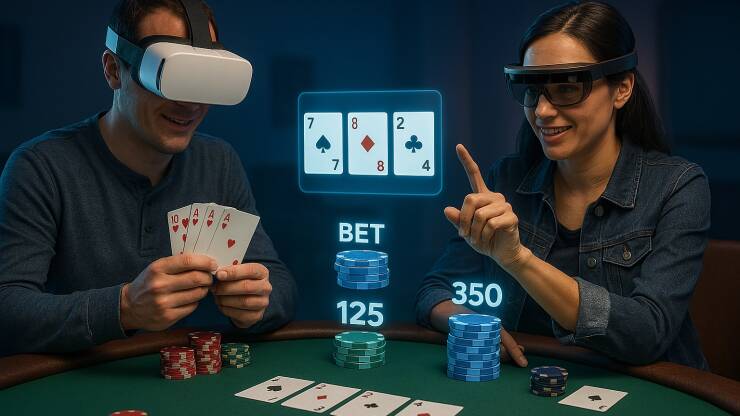
Virtual reality (VR) technology has dramatically transformed numerous industries over the past decade, with online gaming experiencing perhaps the most significant revolution. Among the various gaming genres embracing this technology, poker stands out as a perfect candidate for VR implementation. Traditional online poker, while convenient, has always lacked the human element and atmospheric immersion that makes live poker so appealing. VR poker bridges this gap by creating lifelike digital environments where players can experience the tension, excitement, and social dynamics of physical poker rooms without leaving their homes.
According to recent industry data, the global VR gambling market reached $1.4 billion in 2023 and is projected to grow at an annual rate of 28.5% through 2028. This remarkable growth is fueled by technological advancements and increased consumer accessibility to VR headsets, with over 14 million VR devices sold worldwide in 2022 alone.
How VR Poker Works: The Technology Behind the Experience
VR poker at AdrenalineCasino utilizes several cutting-edge technologies to create immersive experiences. The foundation of this technology includes:
- High-resolution displays built into headsets that deliver crystal-clear visuals
- Motion tracking sensors that translate real-world movements into in-game actions
- Spatial audio systems that create directional sound for realistic environmental effects
- Haptic feedback controllers that allow players to manipulate virtual objects
These elements combine to create what developers call “presence” – the psychological feeling of actually being inside the virtual environment. Modern VR poker platforms operate at 90 frames per second or higher, which is essential for preventing motion sickness and maintaining immersion. Furthermore, the computing power required to render these environments has decreased in cost by approximately 60% since 2019, making high-quality VR poker more accessible than ever before.
Sensory Immersion and Player Experience
The sensory experience in VR poker goes far beyond what traditional online platforms offer. Players can look around the virtual room, observe opponents’ avatars, and even pick up calls from body language programmed into the AI opponents. The ability to manipulate chips, cards, and other objects using hand controllers adds a tactile dimension that was previously impossible in digital poker.
Social Interaction in Virtual Card Rooms
One of the most significant advantages of VR poker over traditional online platforms is the restoration of social dynamics. In conventional online poker, player interaction is limited to text chat and basic emotes. VR poker, however, enables:
- Voice communication with spatial awareness (hearing players based on their virtual location)
- Customizable avatars with facial expressions and gestures
- The ability to read body language and behavioral patterns
- Social spaces beyond the poker table for informal interaction
A 2023 study published in the Journal of Gambling Studies found that 78% of VR poker players reported higher satisfaction with social elements compared to traditional online poker. Moreover, 65% stated that these social aspects were a primary motivation for choosing VR platforms over conventional options.
Major Platforms Leading the VR Poker Revolution
Several platforms have emerged as leaders in the VR poker space, each offering unique features and experiences:
2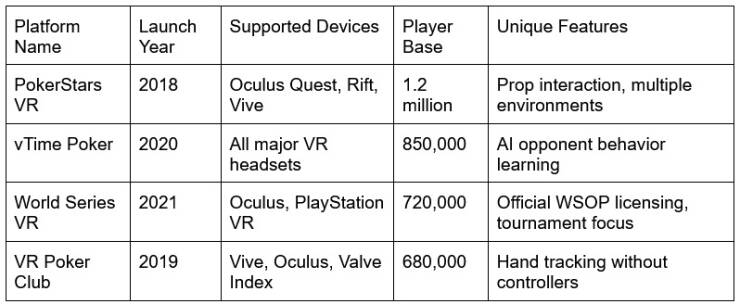
These platforms continue to innovate with features like real-time physiological response tracking and advanced AI opponents that adapt to individual player styles.
Economic Impact and Market Transformation
The economic implications of VR poker extend beyond just gaming entertainment. This technology has created new revenue streams and business models within the online gambling industry. For example:
- Virtual item economies where players can purchase customization options
- Subscription-based access to premium environments and tournaments
- New advertising opportunities within immersive environments
- Reduced operational costs compared to physical casinos
The average VR poker player spends 43% more time on the platform compared to traditional online poker users, according to a 2022 industry report. Additionally, monetization rates are approximately 28% higher, with players more willing to invest in immersive experiences.
Competitive Tournaments in Virtual Reality
Tournament poker has found a particularly strong application in VR, with major events now featuring substantial prize pools. The 2023 VR Poker Championship awarded $1.2 million in prizes, attracting over 10,000 participants from 52 countries. These tournaments benefit from the combination of global accessibility with the excitement of in-person competition.
Challenges and Future Developments
Despite its rapid growth, VR poker faces several challenges:
- Hardware costs remain a barrier to entry for many potential players
- Technical issues like battery life limitations affect extended play sessions
- Regulatory frameworks for VR gambling vary significantly across jurisdictions
- Concerns about addiction may increase with more immersive experiences
Looking ahead, several developments are likely to shape the future of VR poker:
- Integration with blockchain technology for transparent card shuffling and dealing
- Advanced haptic gloves providing more realistic chip and card handling
- Augmented reality options that blend physical and virtual elements
- AI opponents with increasingly sophisticated behavior patterns
Future of Card Games in Virtual Space
VR poker represents more than just a technological upgrade to online card games—it fundamentally transforms the experience by reintroducing the human elements that make poker compelling while maintaining the convenience of digital platforms. As VR technology becomes more affordable and widespread, with headset prices decreasing by an average of 15% annually, we can expect this segment of online gaming to continue its rapid expansion.
For players, developers, and the gambling industry as a whole, VR poker offers new possibilities that were unimaginable just a decade ago. The combination of sensory immersion, social interaction, and convenience creates an experience that may eventually rival or surpass traditional poker in popularity, especially among younger demographics who grew up in the digital age.