Your stomach gets a new lining every few days.
Stomach acid is so strong it can dissolve metal, so your body constantly replaces the stomach lining to prevent self-digestion. Without this renewal, your stomach would literally start breaking itself down.
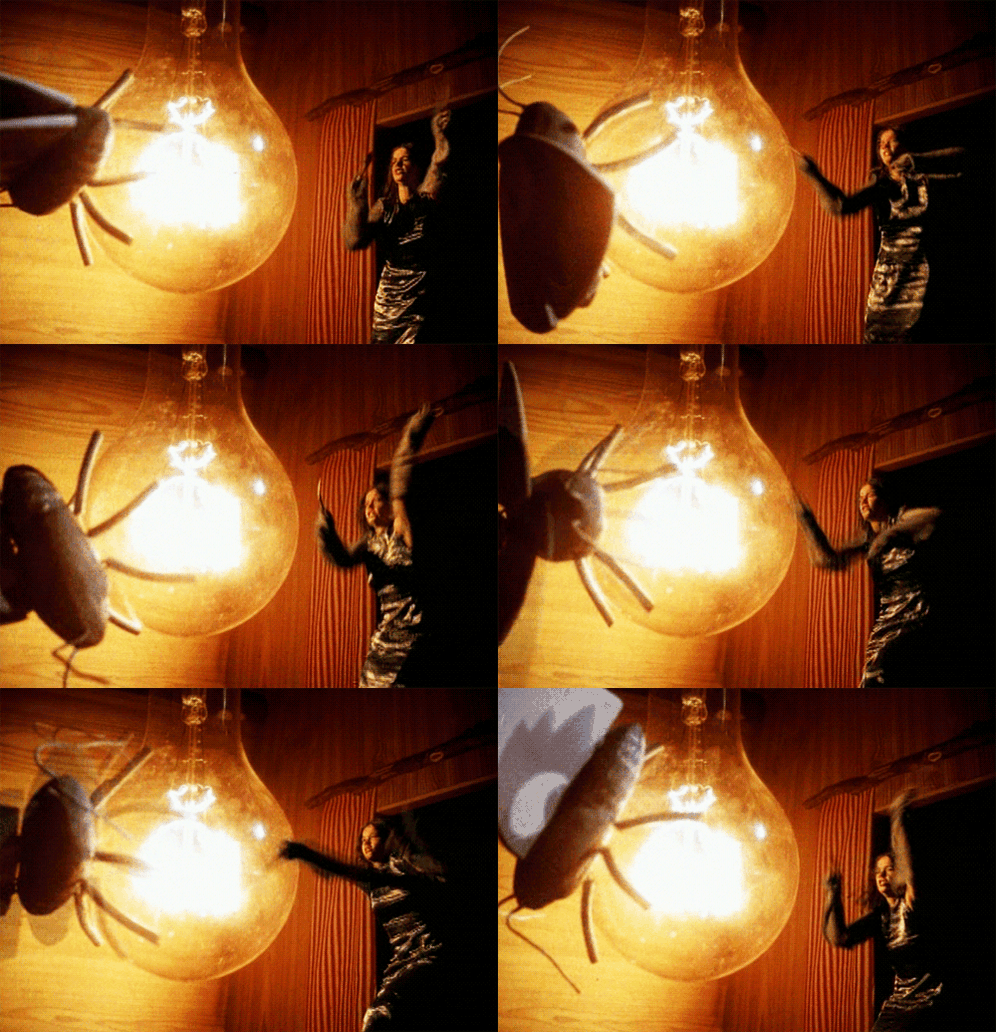
Your brain generates enough electricity to power a lightbulb.
Neurons communicate through electrical impulses that together could produce about 20 watts of energy. Even when you’re asleep, your brain stays active and buzzing.
Humans can survive on surprisingly little sleep (briefly).
Your body can push through short-term sleep deprivation using stress hormones like cortisol. But after a few days, you start experiencing memory issues, mood swings, and even hallucinations.
You blink more than 10,000 times a day.
Blinking keeps your eyes lubricated and clears debris in a split second. The brief pauses also help your brain reset, improving focus.
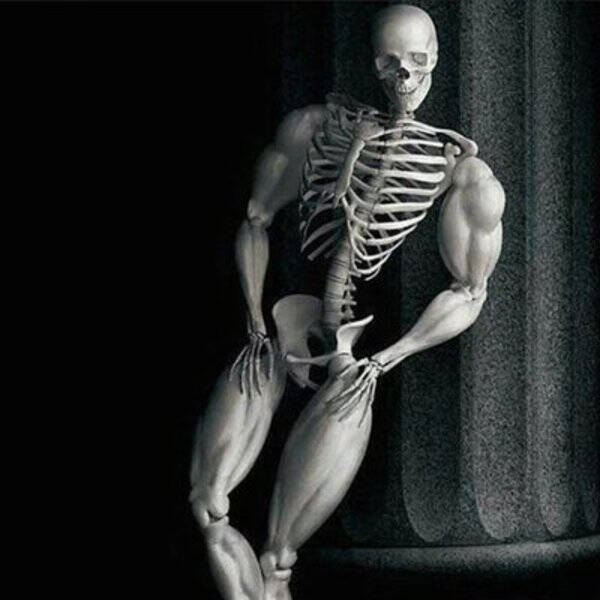
Your bones are stronger than steel.
Ounce for ounce, human bone can be up to three times stronger than steel. Despite this strength, bone stays lightweight thanks to its internal honeycomb-like structure.
Your tongue is made of eight interwoven muscles.
This unique structure lets it move in almost any direction without getting tired easily. It’s one of the most flexible and dexterous muscles in your body.
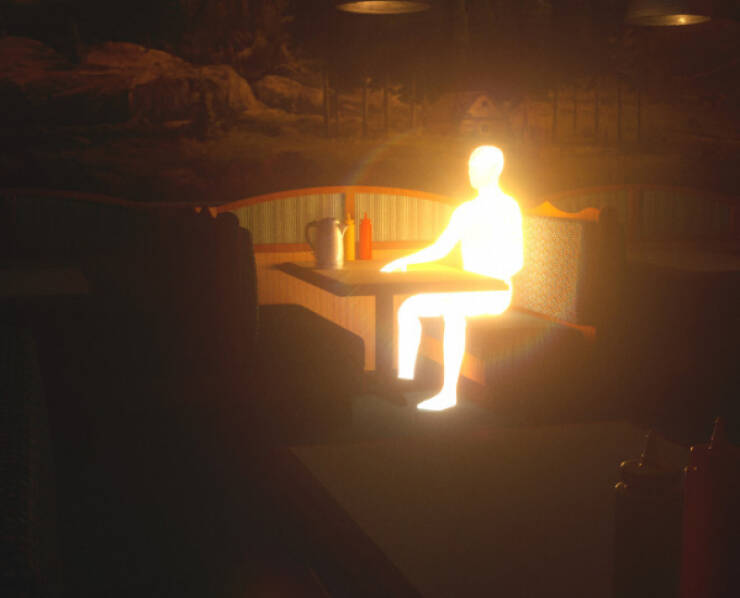
Humans glow in the dark, but too faintly to see.
We emit tiny amounts of bioluminescent light as a result of metabolic processes. The glow peaks in the late afternoon, but it’s a billion times too weak for our eyes to detect.
You’re taller in the morning than at night.
Throughout the day, gravity compresses the cartilage between your spinal discs. When you sleep, the pressure releases, and you regain up to an inch of height by morning.
You shed about a million skin cells every day.
Most of the dust in your home is actually dead skin you’ve shed. Your skin regenerates completely roughly every month, meaning you’re technically “new” all the time.
Your heartbeat syncs with the music you listen to.
Studies show your heart rate can rise, fall, or stabilize depending on the tempo. That’s why calming music physically relaxes you and fast music gets your adrenaline pumping.
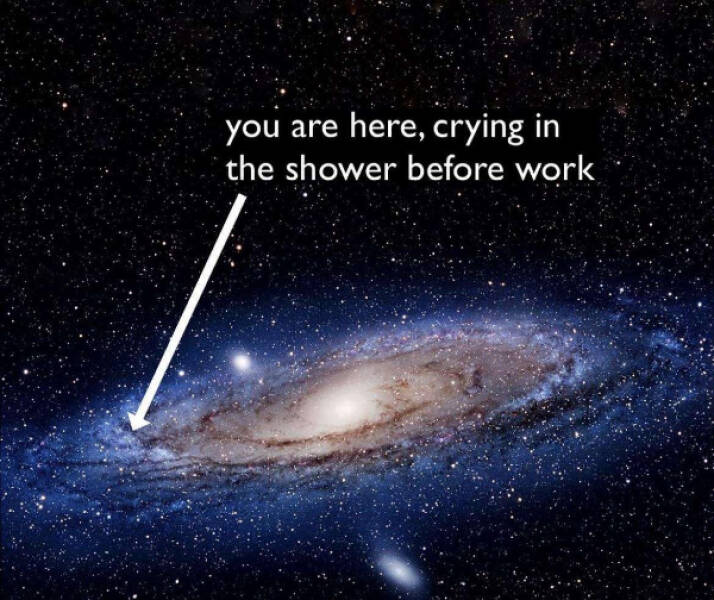
You have more bacteria in your gut than stars in the Milky Way.
The human microbiome contains trillions of microorganisms that help digest food, regulate your immune system, and even affect your mood. In a way, you’re walking around with a tiny ecosystem inside you.
You breathe about 22,000 times per day.
Without realizing it, your lungs are constantly working to bring in oxygen and remove carbon dioxide. Even small changes in breathing can influence your heart rate and stress levels.
Your sense of smell is closely tied to memory.
The olfactory bulb sits near the brain’s memory center, which is why scents can instantly bring back long-forgotten moments. A single smell can trigger emotional memories faster than any other sense.