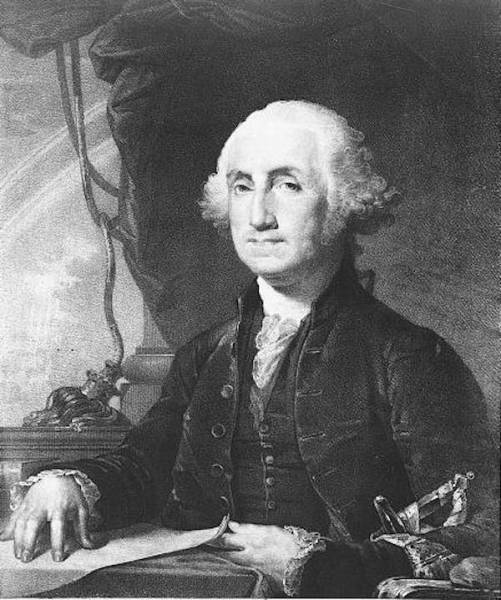
George Washington – “Tis well.”
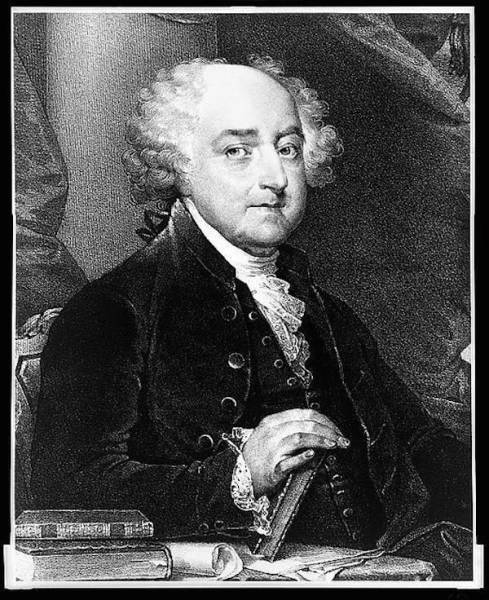
John Adams – “Thomas Jefferson survives.”
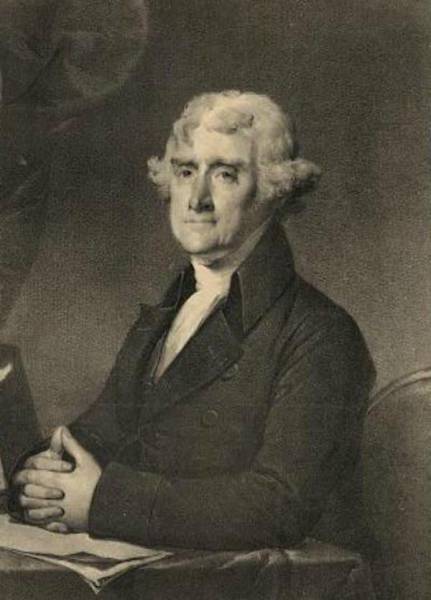
Though famously, and darkly ironic, Jefferson had died hours earlier.
Thomas Jefferson – “No, doctor, nothing more.”
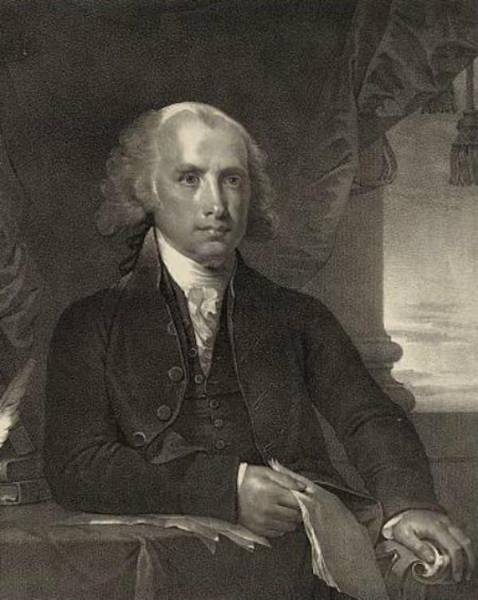
James Madison – “Nothing more than a change of mind, my dear.”
It was in response to one of his nieces asking “what is the matter?”
James Monroe – “I regret that I should leave this world without again beholding him.” Him being in reference to James Madison.
John Quincy Adams – “This is the last of earth. I am content.”
Andrew Jackson – “I hope to meet each of you in heaven. Be good, children, all of you, and strive to be ready when the change comes.”
Martin Van Buren – “There is but one reliance.”
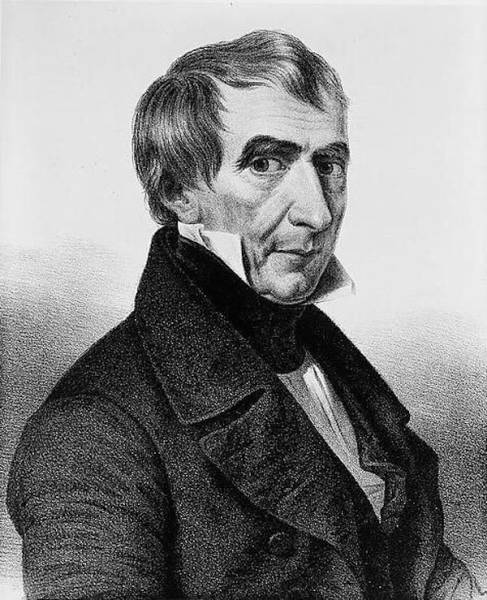
William H. Harrison – “I understand the true principles of the government. I wish them carried out. I ask nothing more.”
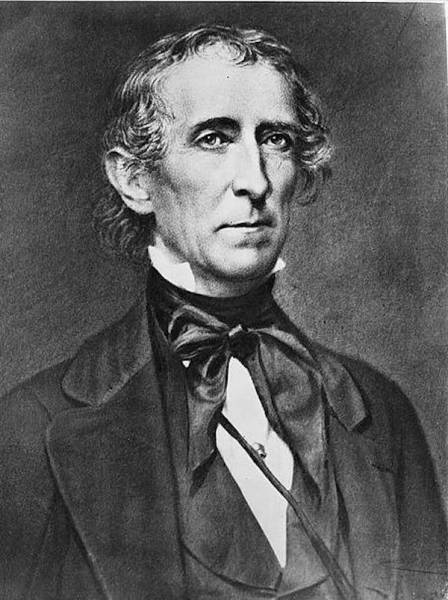
John Tyler – “Perhaps it is best.”
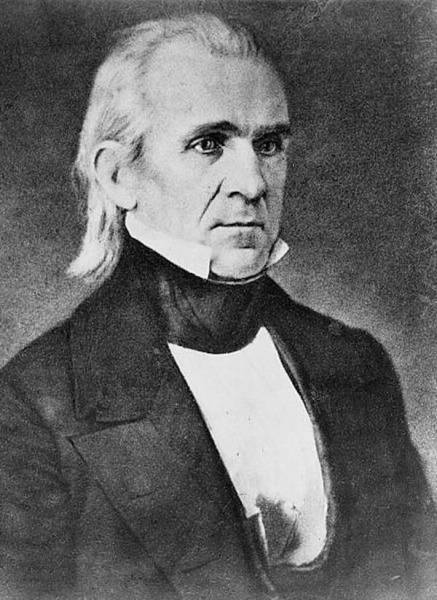
James K. Polk – “I love you, Sarah. For all eternity, I love you.”
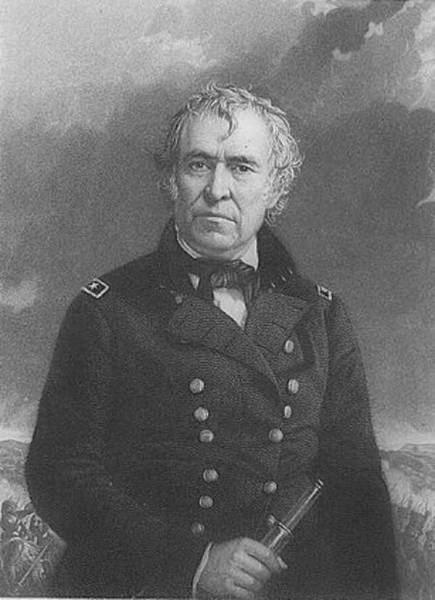
Zachary Taylor – “I regret nothing, but I am sorry to leave my friends.”
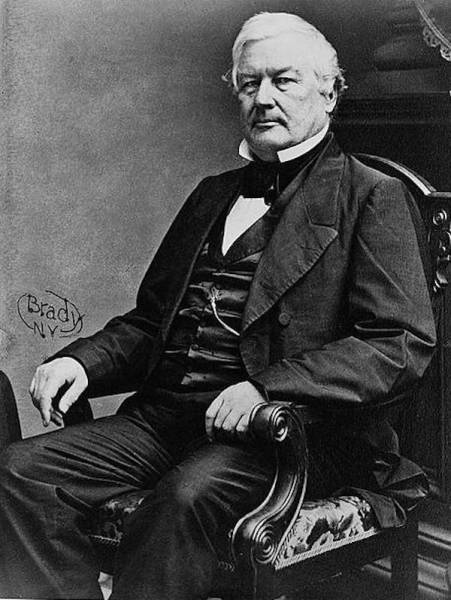
Millard Fillmore – “The nourishment is palatable.” In reference to a soup he was being served.
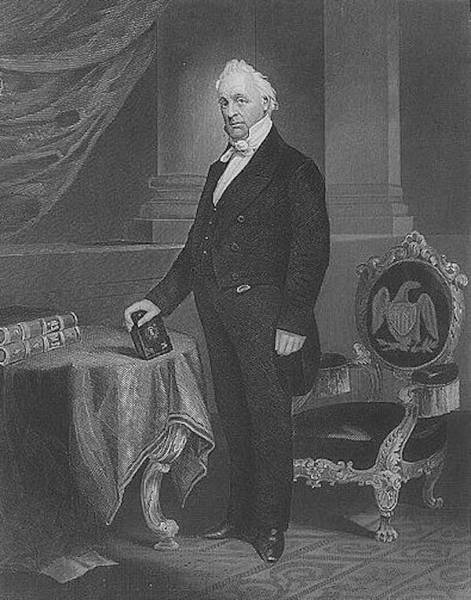
James Buchanan – “Oh, Lord God Almighty, as thou wilt!”
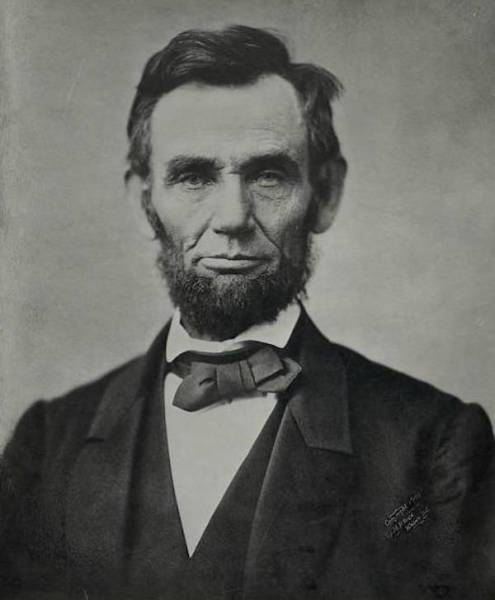
Abraham Lincoln – “She won’t think anything about it.”
This was in response to Mary Todd Lincoln who wondered aloud what their female theater companion would think if she saw her clinging to the President.
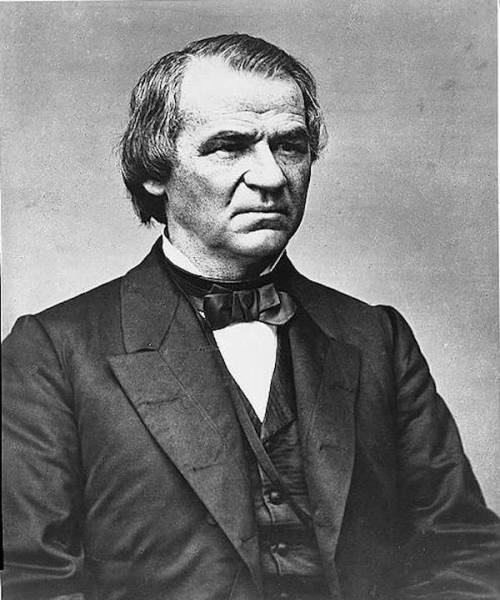
Andrew Johnson – “Oh, do not cry. Be good children and we shall meet in heaven.”
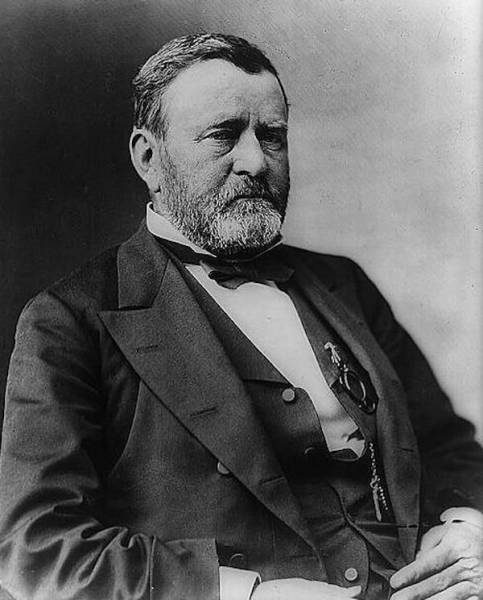
Ulysses S. Grant – “There was never one more willing to go than I am.”
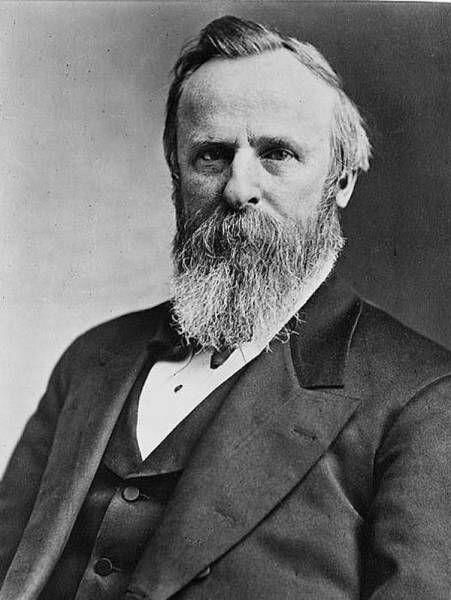
Rutherford B. Hayes – “I know I am going where Lucy is.”
In reference to his deceased wife, Lucy.
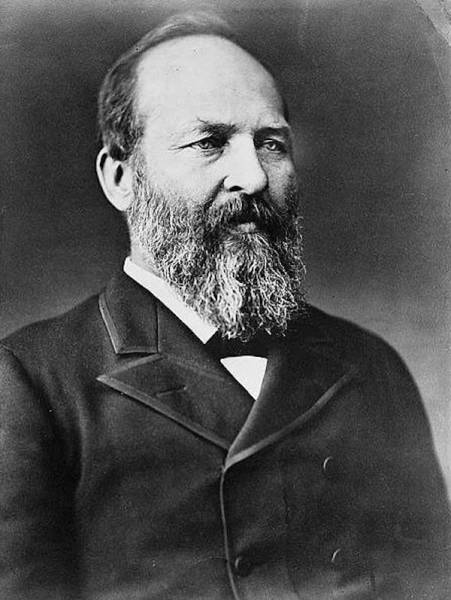
James A. Garfield – “Swaim, can’t you stop the pain?”
He was speaking to General David Swaim at the time.
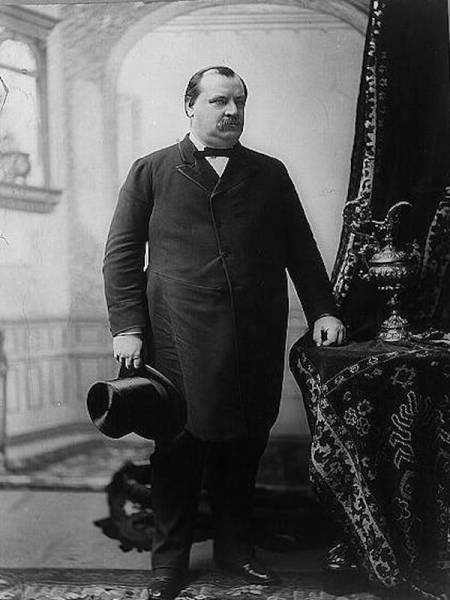
Grover Cleveland – “I have tried so hard to do right.”
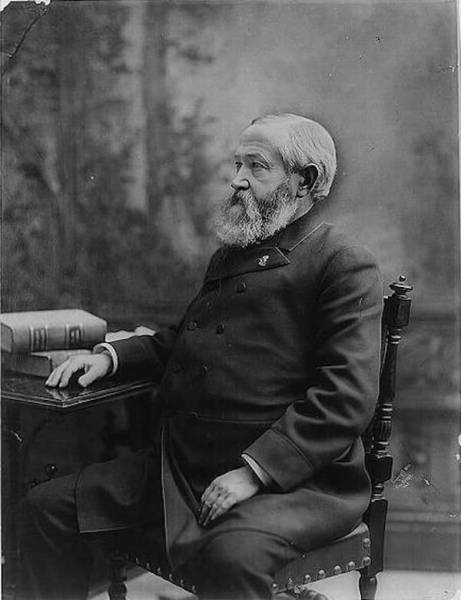
Benjamin Harrison – “Are the doctors here? Doctor, my lungs…”
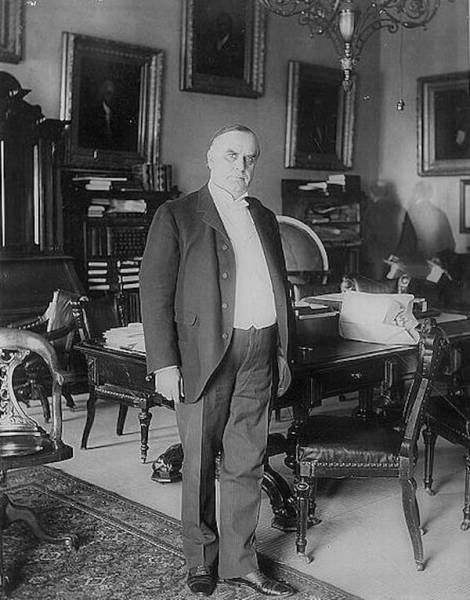
William McKinley – “Goodbye, all, goodbye. It is God’s way. His will be done.”
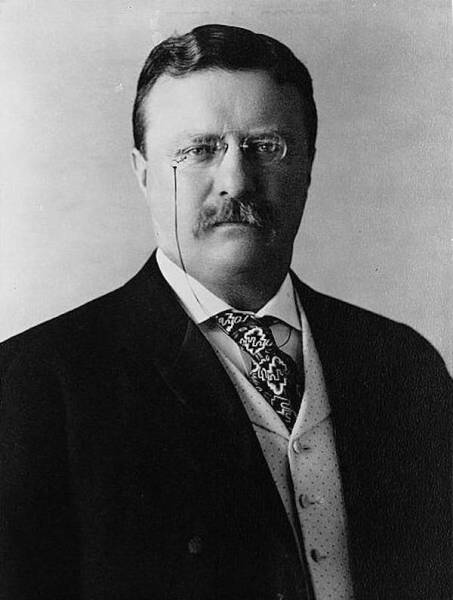
Theodore Roosevelt – “Put out the light.”
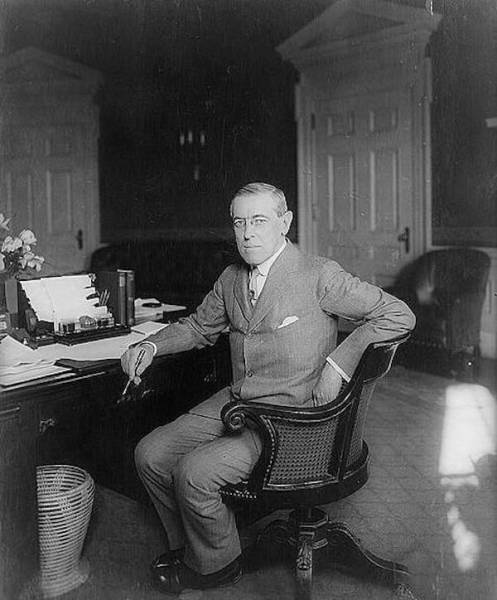
Woodrow Wilson – “When the machinery is broken… I am ready.”
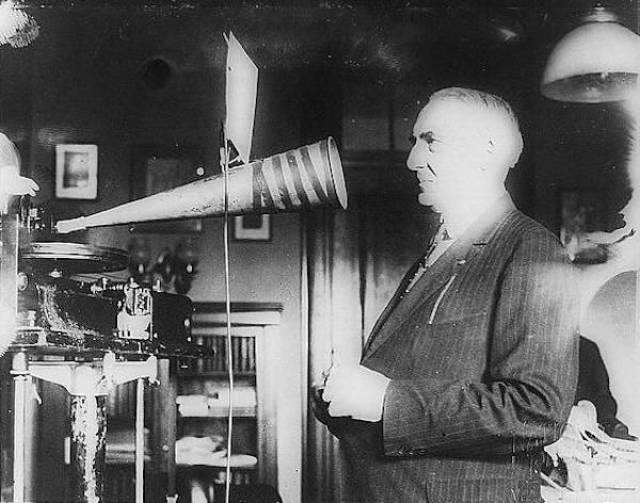
Warren G. Harding – “That’s good. Go on, read some more.”
He was speaking to his wife, who was at his bedside reading the Saturday Evening Post.
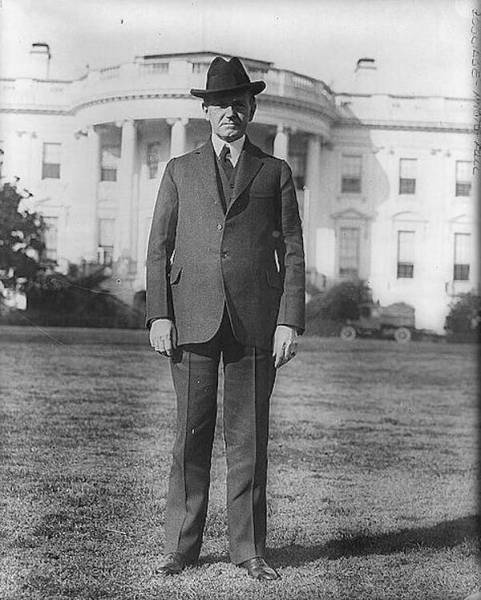
Calvin Coolidge – “Good morning, Robert.”
President Coolidge was speaking to a carpenter at his home. He died suddenly shortly after.
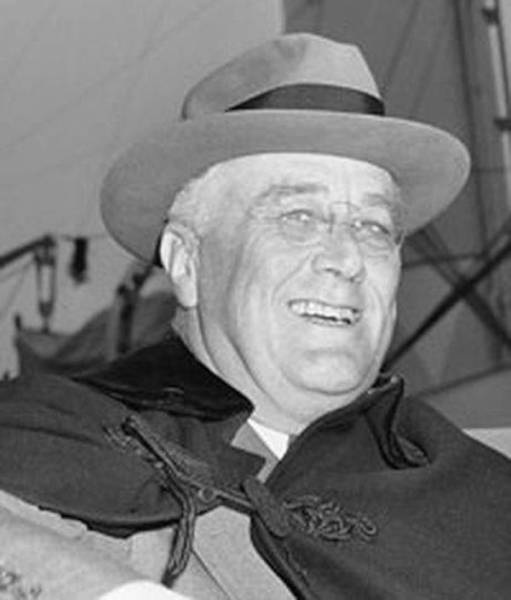
Franklin D. Roosevelt – “I have a terrific headache.”
He died of a cerebral hemorrhage moments later.
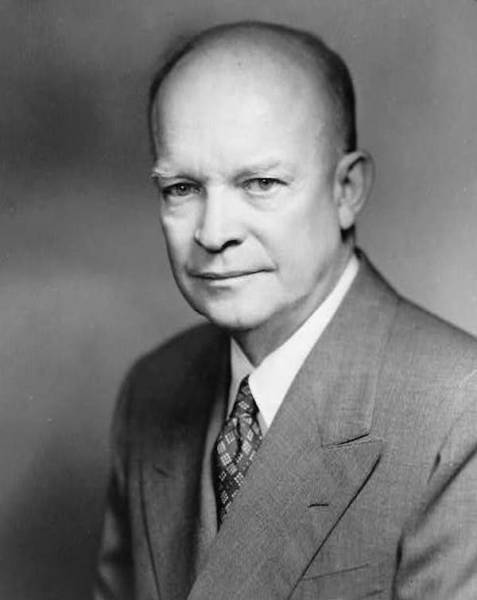
Dwight D. Eisenhower – “I want to go. God take me.”
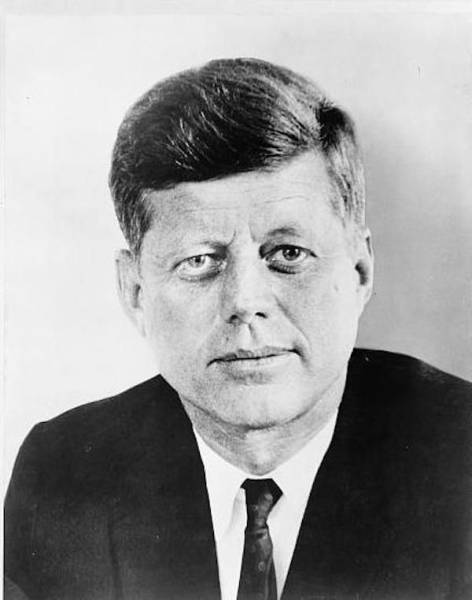
John F. Kennedy –
Nellie Connally, wife of Governor John Connally said to President Kennedy,
“You certainly can’t say that the people of Dallas haven’t given you a nice welcome, Mr. President.”
His response, moments before he was assassinated: “No, you certainly can’t.”
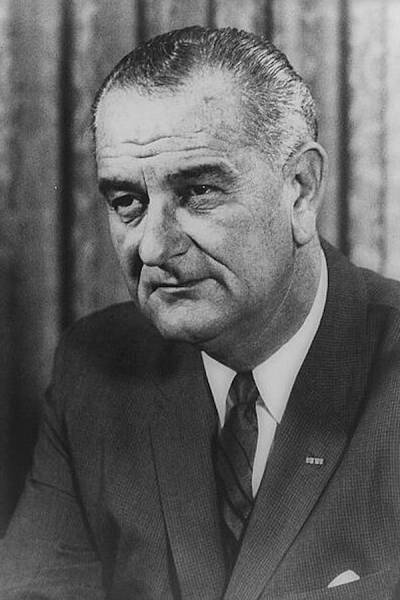
Lyndon B. Johnson – “Send Mike immediately.”
“Mike” being the secret service officer on duty on his Texas Ranch.
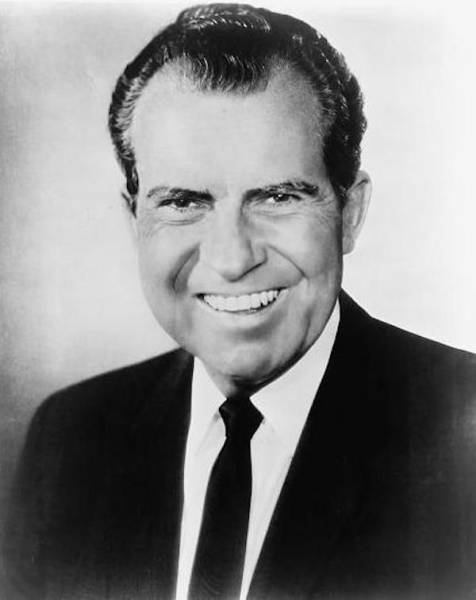
Richard M. Nixon – Nixon died of a stroke in 1994, his last words were to his housekeeper who he spoke “help” to.
He did not die immediately but he was not able to speak after that.




Possibly... based on your world view 100+ years after the fact. It's amazing how quickly people judge a person long after they have died politically, sexually, philosophically, and religiously. I would posit that unless you lived in the same decades, with similar news accessability, and specifically talked to Jackson, you don't understand his point of view, or why he believed the things he did.
Human nature is such that we tend to extrapolate beliefs and behaviors to those we see as similar both racially and what we tend to see philosophically. And while atrocities happen on both sides of nearly all conflicts, if the predominant news you hear are about Indian Massacres, you tend to group all of them regardless of tribe. The Sioux were not the Navajo, and only after years of living with and studying native Americans would the British and then American predominantly white societies begin to realize this. In a similar point of view, not all white Christian "invaders" are the same... compare the pilgrims and the Amish to the Anglicans or Catholics. Some are fairly pacifist... but as a native American where your news is 100% word of mouth, it only takes a couple British/American slaughters of natives to see all of them as violent cultish fanatics.
Were the Indian wars and segregation onto reservations a bad thing... absolutely. Was Genocide committed? NO!!!! Surely Americans encroached and claimed land that was not theirs... but they didn't conquer the natives to get it. Most of it was abandoned because the natives lost 90+% of their population due to European diseases, (smallpox, bubonic plague, syphilis, etc) So there was relatively little conflict as many European refugees came to claim abandoned land. The conflicts that did occur were exceptionally newsworthy as they were reported as "massacres" or "slaughters" regardless of who won.
My grandfather was an amazing man... but he was pretty racist about Asians and when I brought my Singapore girlfriend home for Christmas, he didn't approve. His initial and knee jerk reaction was dislike... until I explained to him that her country was on our side in WWII and was occupied by Japan until it was liberated. Here again... all he saw was Asian, but Japanese are very much different than Chinese, and Koreans, and Mongols, and Singaporeans and Malay etc etc. He finally admitted he was still pissed off about Pearl Harbor... long before me or my father were borne.
So unless you lived in his time, and talked to him personally... I'd hesitate to condemn anyone who died before you were borne... based on what we know now.
Not like the hypocrisy and atheistic, shallow men of today.
USA HAD a honorable beginning (flawed in many ways, but honorable.)