

• Don't insult other visitors. Offensive comments will be deleted without warning.
• Comments are accepted in English only.
• No swearing words in comments, otherwise such comments will be censored.
• Your nickname and avatar are randomly selected. If you don't post comments for 7 days, they both are reset.
• To choose another avatar, click the ‘Random avatar’ link.
Dang and Gallinazo: You're both idiots.
The O2 is coming from the air we breathe. The air mixes with the butane gas, ignited by the spark from the piezo igniter. The pressurized butane and the shape of the nozzle accelerates the burning, expanding gasses creating the torch effect. What about this is so hard to understand. This is pretty basic stuff.
The chemistry....Combustion (fire!) requires both fuel and oxygen (air).
When butane gas burns completely, with sufficient oxygen, it burns with a blue flame at 1300 degrees Celsius. With ordinary lighters the combustion of butane is incomplete, resulting in a yellow 'flame' due to the glowing particles of carbon oxidizing slowly to C02.
The physics....The reason for the different combustion properties of
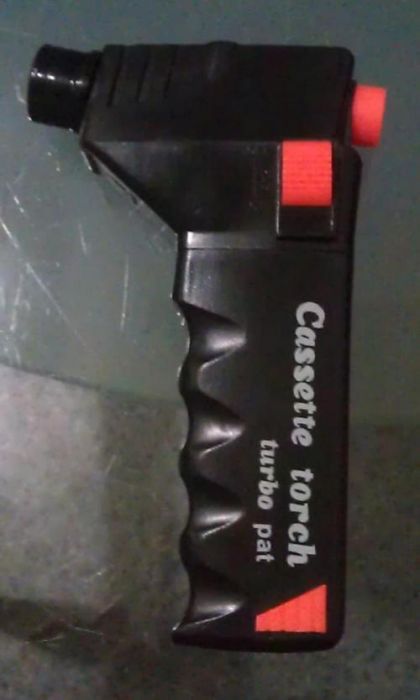
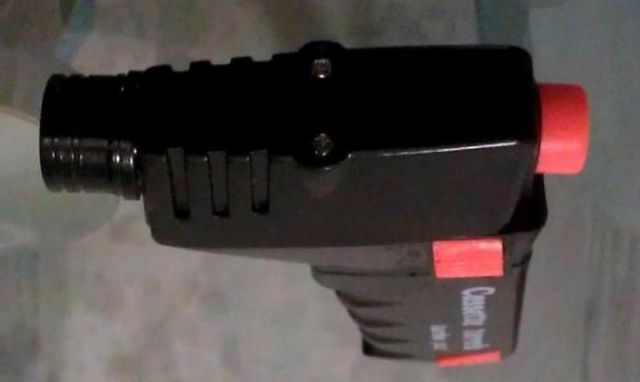
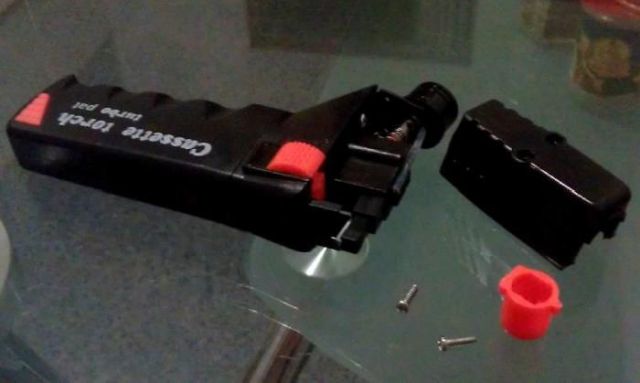
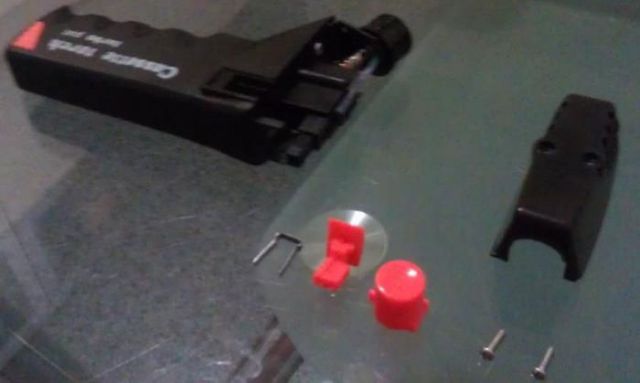
pocket torches and ordinary lighters has to do with the 'head' (actually called a 'fire nozzle') that you described. This nozzle is basically a metal plate containing very small holes. Air is sucked in from another hole in the side of the nozzle and is then forced through the small nozzle holes.
The very small size of the holes causes a pressure build-up (and therefore very high gas flow velocity) which has two important effects.
First of all, enough air (oxygen) is drawn in to completely combust the butane.
Secondly, the resulting flame shoots straight out and is "strong"
enough to withstand windy conditions without blowing out. A good analogy is the effect of putting your finger on the end of a water hose. The smaller the opening, the greater the force of water exiting the hose.
Someone who bought chinese shit, is probably silly American.