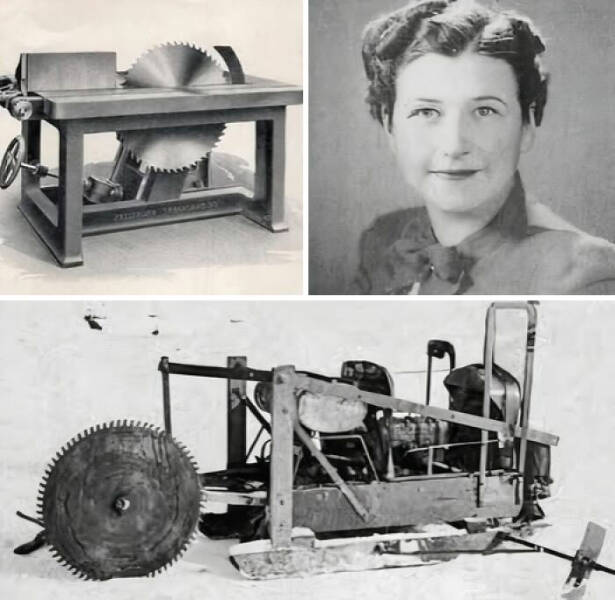
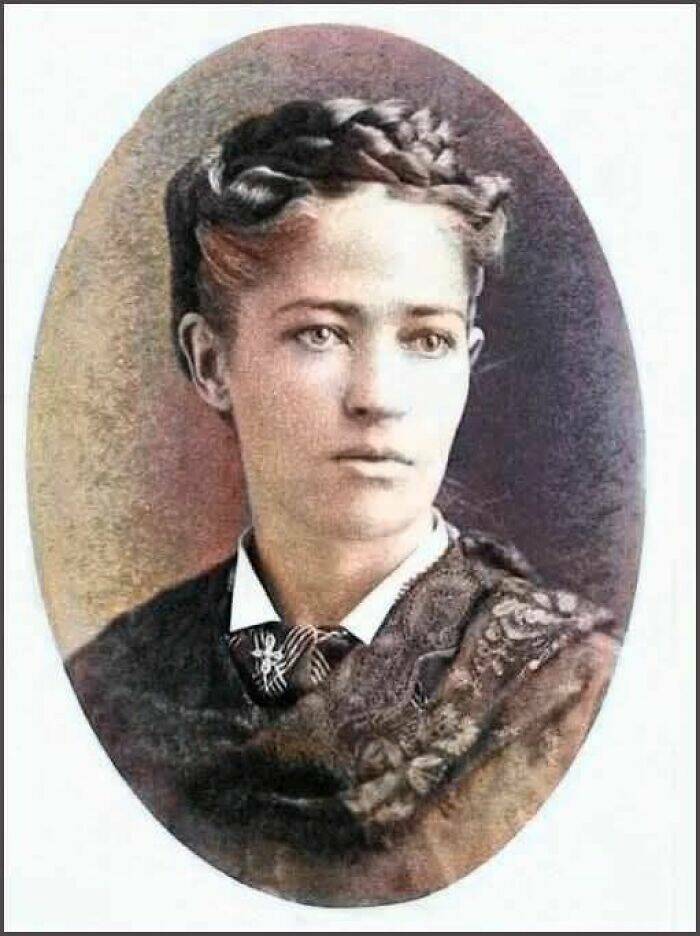
"In a quiet town in New England, back in 1810, a woman named Tabitha Babbitt watched as two men worked tirelessly with a large pit saw. One on top and the other below, taking turns to cut wood with a blade that only worked in one direction. Tabitha, who was a weaver in a community called the Shakers, thought there must be a more efficient way to do this work. Watching the constant motion of her spinning wheel, she came up with an innovative idea. She took a metal disk, made small sharp cuts on it, and attached it to her spinning wheel. When it began to spin, the disk cut the wood in both directions. That’s how the first functional version of the circular saw was born! Thanks to this idea, the process of cutting wood became much faster and less exhausting. The woodworking industry was forever changed. Tabitha never sought personal recognition or patented her creation. As a member of the Shakers, she believed in community work and humility. Still, her contribution became a lasting legacy. Today, millions of people around the world use the circular saw, unaware that its origin stems from the ingenuity of a woman with a clear vision and a collaborative spirit."
"In the 1930s, Larry Gains, a prominent Canadian heavyweight boxing champion, is seen alongside his family in a heartwarming family portrait. Known for his remarkable athleticism and success in the boxing ring, Gains was a trailblazer for Black athletes in Canada and a role model for many aspiring boxers. His career was marked by determination and skill, and he became a symbol of perseverance in a sport that was often challenging for African Canadians to break into during that era.Gains’ family, featured in this photo, likely played a crucial role in his success, offering support and stability throughout his career. The image highlights not only the personal side of a sports icon but also the strong family bond that helped him through the ups and downs of his athletic journey. Family portraits like this one remind us that behind every public figure is a network of loved ones who contribute to their achievements.As a boxer, Gains fought during a time when racial discrimination was still prevalent, making his accomplishments even more significant. While the 1930s saw a rising awareness of racial inequality in many facets of society, Gains’ success in the ring helped to challenge stereotypes and break barriers for future Black athletes. His family’s presence in this photo serves as a reminder of the sacrifices and dedication that helped him achieve greatness in the world of boxing."
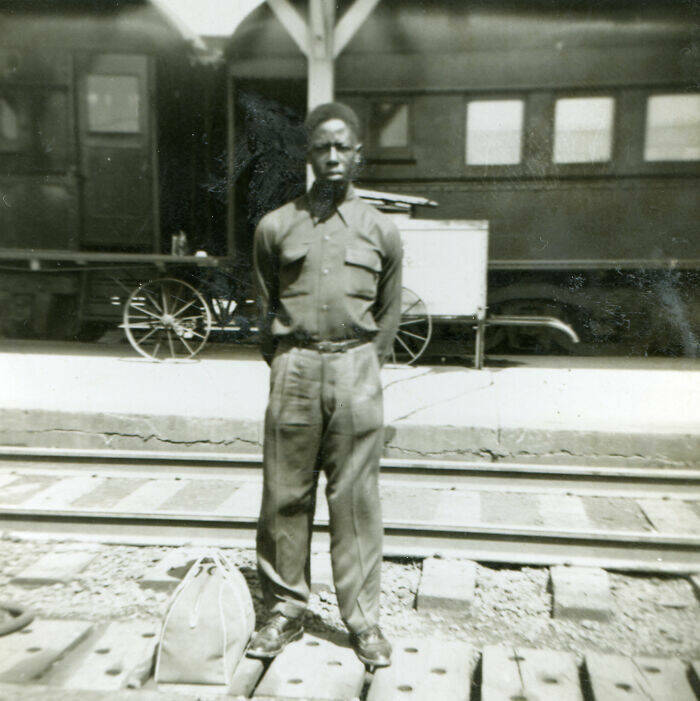
"See the young man in this picture? He was 18 years old when it was taken at the train station in Mobile, Alabama, in 1952. There is $1.50 in his pocket. In that bag by his foot are two changes of clothes. (And if his mama was anything like most other mamas in the South, probably some sandwiches and other snacks.) He was on his way to Indiana to take a job. He was going to play baseball for the Indy Clowns of the Negro Leagues. Apparently, he was pretty good at it. A couple of years later, he was signed by the Milwaukee Brewers. He played for the Brewers for 2 seasons, then moved across town to the Braves, and later followed them to Atlanta. Eventually, he was the last Negro League player to be on a major league roster. He still hangs around the baseball world. At the moment, he's the senior vice president of the Atlanta Braves. Even though the team has changed stadiums (twice) since then, his retired number, 44, still hangs on the outfield wall of the old Atlanta-Fulton County Stadium near where he belted a homer to break Babe Ruth's all-time record which he held for 33 years). Remembering "Hammerin' Hank" Aaron, who passed away on 22 January 2021."
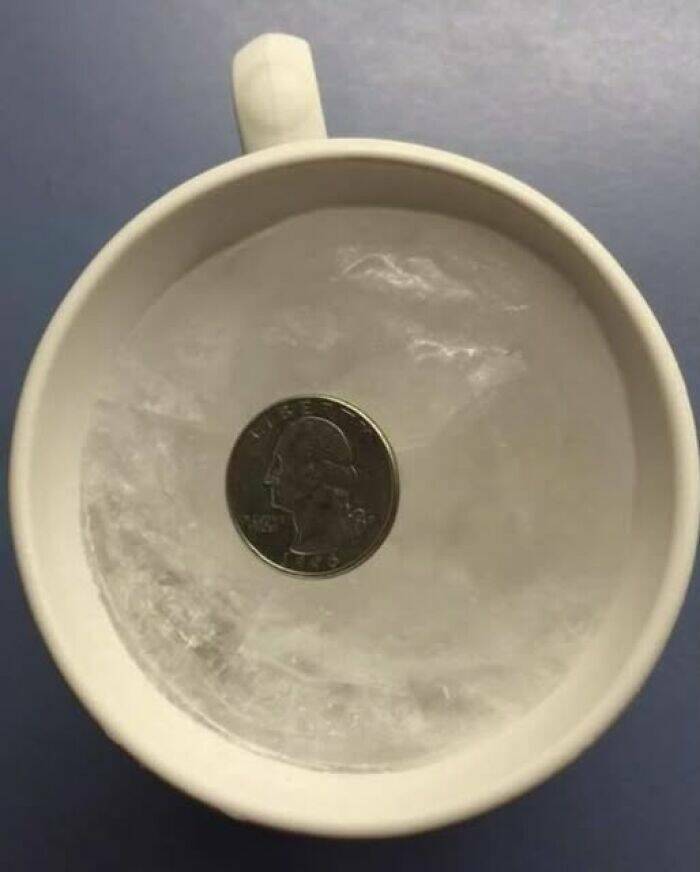
"Why you should always put a coin on a frozen cup of water before storms. It's called the one cup tip. You put a cup of water in your freezer. Freeze it solid and then put a quarter on top of it and leave it in your freezer. That way when you come back after you've been evacuated you can tell if your food went completely bad and just refroze or if it stayed Frozen while you were gone. If the quarter has fallen to the bottom of the cup that means all the food defrosted and you should throw it out. But if the quarter is either on the top or in the middle of the cup then your food may still be ok. It would also be a great idea to leave this in your freezer all the time and if you lose power for any reason you will have this tip to fall back on. If you don't feel good about your food, just throw it out. The main thing is for all to be safe."
"The bulbous bow, a prominent feature seen on many modern ships, plays a crucial role in enhancing their performance. This protruding bulb located just below the waterline at the front of the ship significantly influences how water flows around. the hull, thereby reducing drag and improving overall efficiency.The primary advantage of a bulbous bow is its ability to reduce the ship's wave- making resistance. When a ship moves, it generates a bow wave. The bulbous bow creates its own wave system that interacts with the primary bow wave, effectively canceling it out. This interaction minimizes the energy lost to wave creation, allowing the ship to move more efficiently through the water. As a result, ships equipped with bulbous bows enjoy enhanced fuel efficiency and can achieve higher speeds with the same power input. This reduction in fuel consumption not only lowers operational costs but also reduces the ship's environmental footprint.Another important benefit of the bulbous bow is its impact on stability."
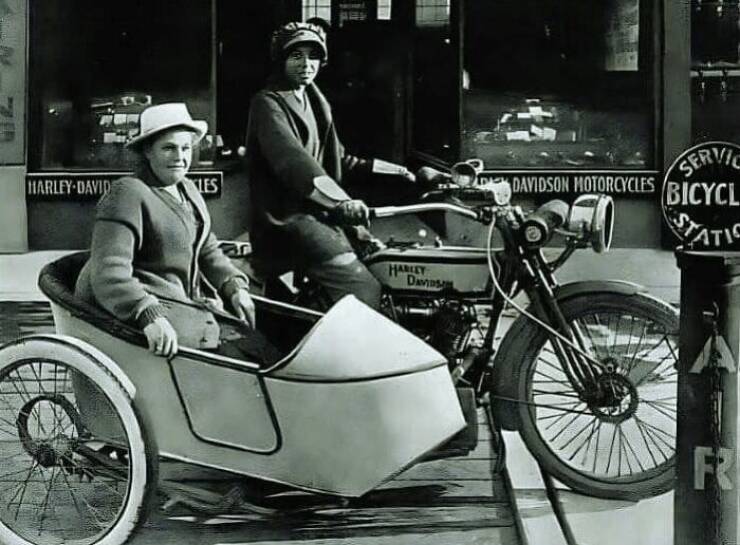
"In 1915, Effie Hotchkiss bought a new Harley-Davidson and attached a sidecar to carry her mother, Avis, as a passenger. The pair then set out from Brooklyn to see the Panama Pacific International Exhibition in San Francisco. Avis had instilled confidence in her daughter, and when asked if she had fears about the arduous cross-country journey, Avis replied, “I do not fear breakdowns, for Effie, being a most careful driver, is a good mechanic and does her own repairing with her own tools.” The pair were the first women to cross America by motorbike, at a time when the roads, where they existed, were simply horrendous. After visiting the Pacific Coast, the pair rode back to Brooklyn, for an epic 9,000-mile journey."
"In 1937, 87 years ago, Sylvan Goldman, owner of the Humpty Dumpty supermarket chain in Oklahoma, forever changed the way we shop. Before his invention, customers used to carry heavy shopping baskets, making shopping difficult. Inspired by a folding chair, Goldman designed a metal frame with wheels that could hold two wire baskets. This ingenious design not only made shopping easier but also allowed customers to buy more items, increasing supermarket sales. At first, customers were hesitant to use the carts, as they were used to carrying baskets. To overcome this reluctance, Goldman hired people to push the carts around the store and demonstrate how easy they were to use. Over time, shopping carts became an essential part of the supermarket experience, and today, no store is without them. The shopping cart has evolved from just a practical tool into a retail icon worldwide. Beyond convenience, the shopping cart has influenced store design and marketing strategies. Supermarkets began reorganizing their spaces, creating wider aisles to accommodate carts and optimize the shopping experience. This simple invention transformed the way we interact with stores, encouraging more purchases per customer. Goldman’s influence and his shopping cart are still alive today in every grocery store, showing how one innovation can change commerce and daily life."
"Jerry Glover shows a perennial wheatgrass plant's long roots which grow deeper than annual plants' roots. Using perennials, crops that can be harvested more than once without replanting, may be the key for feeding more people while conserving farmland soil."Perennial crops can be grown for more than two years alone or alongside annuals, and they can radically improve soil health and support a healthier community of bacteria and fungi underground.Annuals have to develop roots every year, which means their growing season is much shorter. Perennial roots go deep — some as deep as 10 feet — and they will sustain the plant for many years. Way down there, the roots can capture more groundwater. Those deep, better-established roots also help cycle nutrients in the soil and make them more available to plants".Jerry Glover"
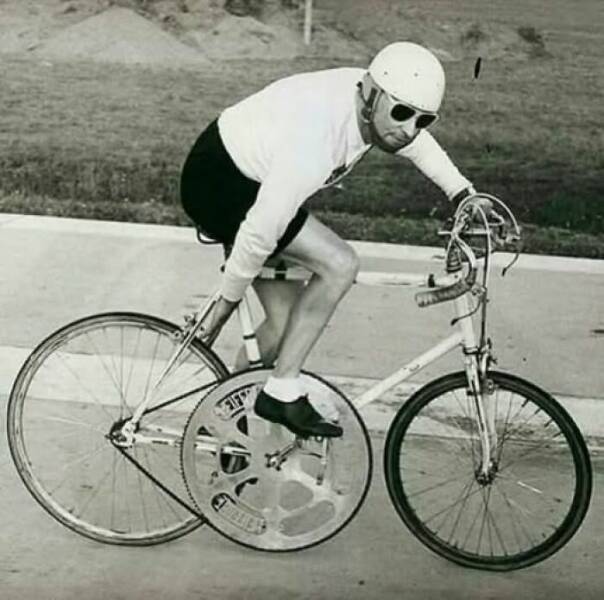
"On July 19, 1962, French cyclist José Meiffret reached a speed of 204.73 km/h on a bicycle on a highway in Germany. Pedaling behind a Mercedes-Benz 300SL modified with an aerodynamic fairing, he used a bike equipped with a 130-tooth chainring. During this challenge, he faced strong vibrations and a high risk of an accident, achieving one of the most remarkable feats in the history of speed cycling."
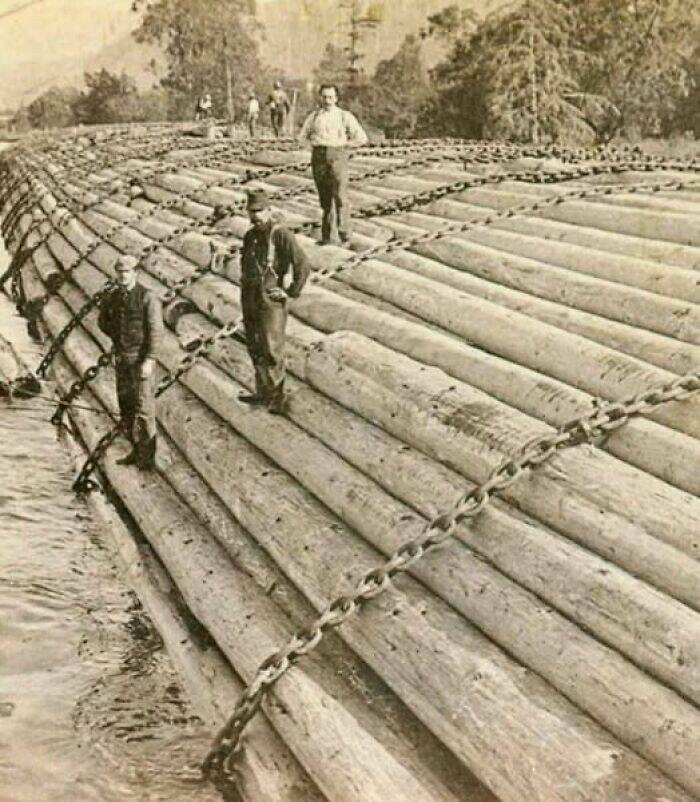
"In 1902, a remarkable photograph captured men posing atop a massive log raft along the Columbia River in Oregon. The raft was constructed from large, tree-length logs, all meticulously lashed together using enormous chains to create a floating platform. This incredible feat of engineering was typical of the lumber industry at the time, where logs were often transported down rivers for processing. The image showcases the scale and strength required to build such a raft, a testament to the hard work and ingenuity of the era. According to the description on the back of the photo, the raft contained millions of feet of timber—an enormous amount of wood that represented a full year's worth of labor for the camp workers. The value of the raft, once completed, was estimated at $8,000, highlighting the profitability of the logging industry during this period. The Columbia River, with its swift currents and strategic location, served as a major route for transporting timber, and these massive log rafts were an essential part of the process. This photograph, preserved by the Multnomah County Library, offers a fascinating glimpse into the early 20th-century logging practices in Oregon. It’s a vivid reminder of the human labor and resourcefulness that drove the lumber industry, and the scale of the operations that transformed the landscape of the Pacific Northwest. The raft, both a product of necessity and a symbol of the era, represents a bygone time when logs were floated across rivers to fuel the growth of America’s industries."
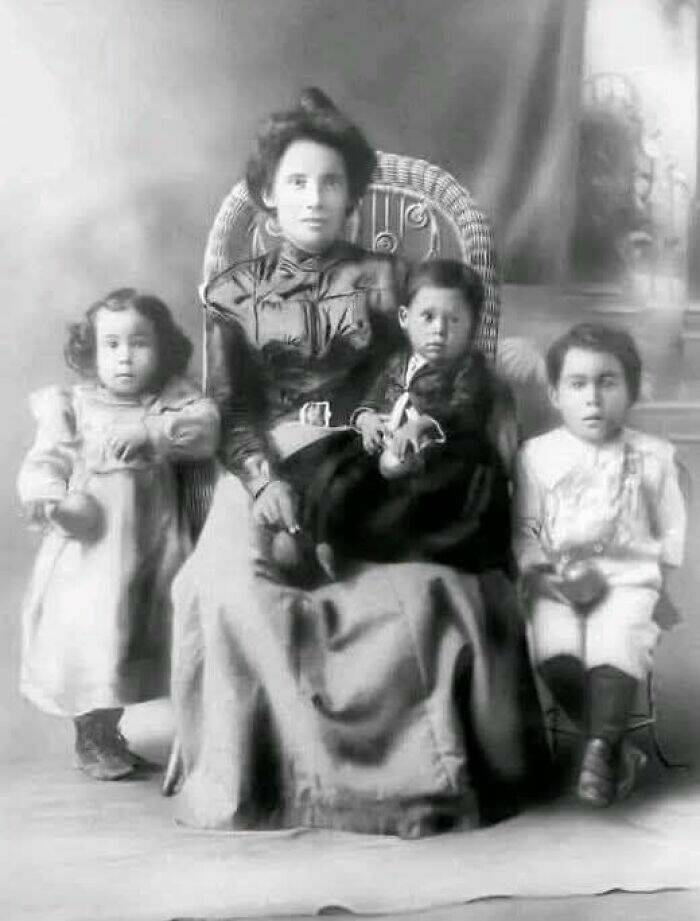
"In 1901, a portrait captured Adelaida Cuellar and her three young children—Isabel, Manuel, and Amos—on their modest farm in Kaufman County, Texas. Life on the farm was marked by hardship and long days of labor with little reward, but Adelaida’s resilience and unwavering spirit were already shaping a future far brighter than she could have foreseen. Amidst the daily struggles, her love for cooking stood out—a source of comfort and a quiet promise of what was to come.By 1926, that promise began to unfold. Adelaida set up a humble stand at the Kaufman County Fair, serving up her homemade chili and tamales. Fairgoers couldn't get enough. When the fair ended, demand continued, prompting her and her twelve children to open a small café. As word spread, the family’s efforts grew into something bigger. In 1940, five of her sons moved the café to Oak Lawn in Dallas, giving it a new name—*El Chico*. The timing was perfect, and the Tex-Mex dishes struck a chord with diners, setting the stage for a growing restaurant business.Over the decades, *El Chico* blossomed into a Tex-Mex institution, with locations not only across Texas but as far away as Australia and the UAE. Adelaida Cuellar passed away in 1969 at the age of 98, having lived to see her cooking legacy touch countless lives. Thanks to her recipes and the dedication of her family, *El Chico* became more than a restaurant—it became a symbol of determination, tradition, and the irresistible power of a well-cooked meal."
"In 1947, a defeated German soldier returned home to Frankfurt after the end of World War II, only to find his once-familiar surroundings reduced to rubble. The devastation of the war had torn apart not just the city but his own personal life. His home, once a place of comfort and security, was now a pile of debris, a stark reminder of the destruction that had swept across Europe during the war years.As he stood amidst the ruins, the soldier's heart sank as he realized that his family was gone. His wife and children, who he had hoped to return to, were no longer there. The uncertainty of their fate left him with a deep sense of loss and grief, compounded by the isolation and despair of post-war Germany. Many families had been separated or torn apart by the war, and for this soldier, the hope of reunion was now a painful memory.The emotional and physical scars of war were everywhere in Frankfurt and across Germany at the time. People returned to find their homes destroyed, their loved ones lost, and their world upended. For the soldier, like many others, the journey home was not one of joy but of profound sorrow and the harsh reality of rebuilding a life from the ashes of a world that had been forever changed."
"During WWII, workers at the Henry Ford aircraft factory Willow Run built a staggering 8,685 B-24 bombers in three years!No one had ever manufactured aircraft on such a scale before. At its peak in 1944, it produced a B-24 every hour.Additional fun fact: Rosie the Riveter worked at this plant."
"Josephine Cochrane was a pioneering inventor who revolutionized kitchen technology with the invention of the first practical dishwasher. Born in 1839, she was a wealthy socialite who often entertained guests but became increasingly frustrated with her servants breaking her expensive china while washing dishes. Determined to find a better solution, she set out to design a machine that could clean dishes efficiently and safely—and she succeeded.In 1886, Cochrane patented her dishwasher, which used water pressure and a motor-driven wheel to spray hot water onto dishes arranged in a wire rack. Unlike earlier attempts at dishwashing machines, which relied on manual scrubbing or ineffective designs, Cochrane’s model was functional and reliable. Her innovation garnered attention at the 1893 World’s Columbian Exposition in Chicago, where it won top honors for mechanical construction and durability.Recognizing its commercial potential, she founded the Garis-Cochrane Manufacturing Company, which initially produced dishwashers for hotels and restaurants before expanding into home kitchens. Over time, her company evolved into what we now know as KitchenAid, a leading name in household appliances. Josephine Cochrane’s vision and ingenuity transformed a tedious household chore into an effortless task, paving the way for modern dishwashing technology. Today, her invention remains a staple in homes worldwide, proving that one determined woman’s frustration can spark an innovation that changes everyday life."
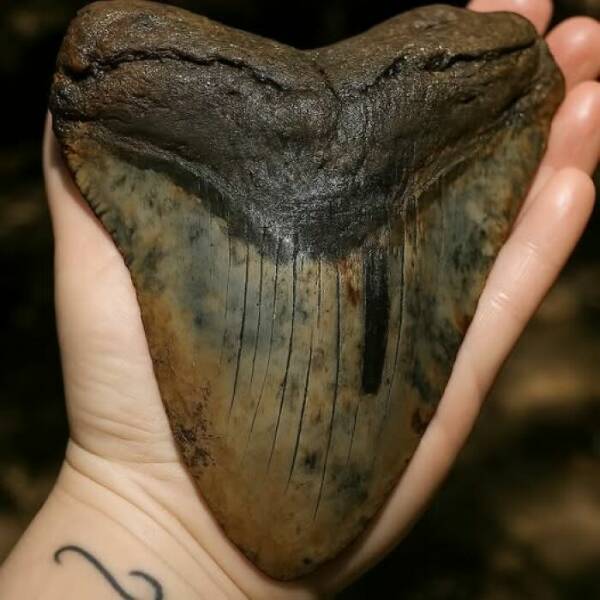
"A massive megalodon tooth was recently uncovered along the coast of South Carolina, exciting paleontologists and fossil enthusiasts alike. This impressive find, notable for its extraordinary size, offers a rare glimpse into the prehistoric world of the megalodon—one of the largest predators ever to dominate the oceans.The megalodon, which lived approximately 23 to 3.6 million years ago, is believed to have grown up to 60 feet long, with teeth exceeding seven inches in length. This particular tooth, likely from one of these colossal sharks, stands as a powerful testament to the immense scale and strength of the species. Fossilized megalodon teeth are highly prized, not only for their size but also for their rarity and their direct link to a legendary apex predator from Earth’s distant past.South Carolina’s coastline is renowned for its abundant prehistoric fossil deposits, and this discovery further cements the state’s status as a prime location for uncovering ancient remains. As researchers study the tooth, it yields valuable insights into the megalodon’s size, diet, and the marine environment it inhabited millions of years ago. This extraordinary find continues to fuel fascination with extinct marine giants and the primeval oceans they once ruled."
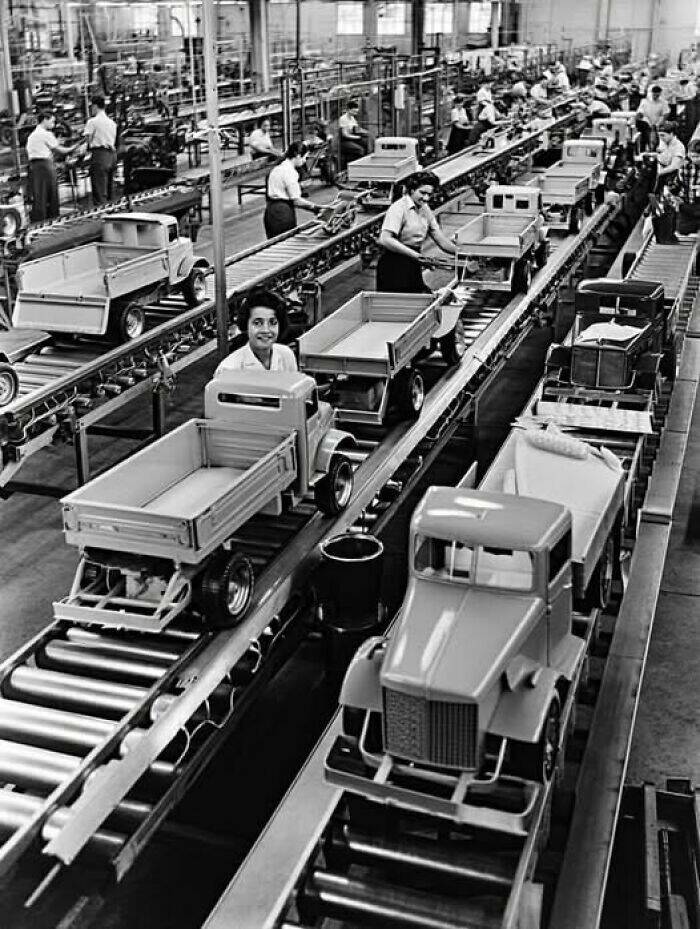
"In 1965, the Tonka Toys manufacturing plant in Minneapolis, Minnesota, stood as a vibrant symbol of American industry and childhood imagination. Renowned for their rugged, all-steel construction, Tonka trucks had become fixtures in households across the country—emblems of durability, creativity, and hands-on play.Inside the plant, the assembly line embodied the precision and energy of mid-century American manufacturing. Photographs from the era reveal rows of focused workers, each performing a specific task in the truck-building process. Brightly painted chassis, wheels, and dump beds moved steadily along conveyor belts, slowly transforming into the iconic yellow construction vehicles beloved by generations.Founded in 1946, Tonka had swiftly risen to become a global leader in toy production. By the mid-1960s, its name was nearly synonymous with American childhood. The Minneapolis factory was more than a site of mass production—it was a place where craftsmanship met mechanical efficiency, where pride and play went hand in hand.The images of Tonka’s assembly line remain powerful reminders of a time when toys were built to last—and often did. They capture not only the making of toys, but the making of memories that would endure for decades."
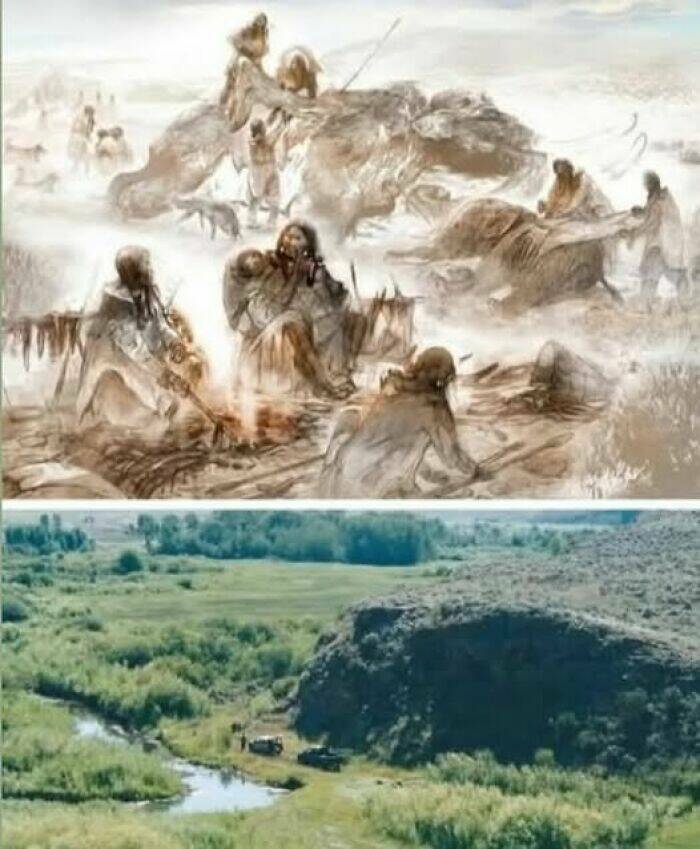
"In 1968, the Anzick-1 site in Montana unearthed the remains of an 18-month-old child, buried with a collection of Clovis tools that linked it to one of the earliest known cultures of prehistoric America. Over fifty years later, advanced isotopic analysis has provided new insights into the dietary habits of the Clovis people, offering a fascinating look at their relationship with the megafauna of the Ice Age.By analyzing the isotopic signatures in the child's bones, researchers were able to trace the mother's diet, revealing a striking revelation: nearly 40% of her diet consisted of mammoth meat, with additional contributions from large animals like elk and bison. The findings also revealed little reliance on smaller animals or plant-based foods.This discovery paints a vivid picture of how the Clovis people, known for their skilled hunting practices, likely relied on energy-dense megafauna such as mammoths to support their nomadic, hunter-gatherer lifestyle. The study underscores their intimate knowledge of the Ice Age ecosystem and how they adapted to their environment, utilizing large game as a primary source of sustenance. This newfound information sheds light on the sophisticated, strategic practices that sustained the Clovis culture during its time."
"A lot of people drowned simply because they didn't know: If you find yourself underwater in a car, don't panic. 1. Dont waste your energy trying to push the door 2. Do not open the window, the force of the water entering the car will not allow you to get out 3. Take out the head rest 4. Use the steel sharp tip and break the back window that has kick out glass on it. The car by engineering and design is intended to float in the water and the rear window will always be facing the exit. This could save your life. ..."












It is common usage in English to refer to it as a baby, even in utero. Just ask your mother. But you do bring up an important question, when is it a baby? Dont say "at birth", my son's best friend was born at 28 weeks in an emergency c section because of a car accident. He is a good kid and no less of a person because he wasn't born at 40 weeks.
Sheldon Cooper companion.
#42 *drown